Digital Media and Navigating Smartphone Use in Schools
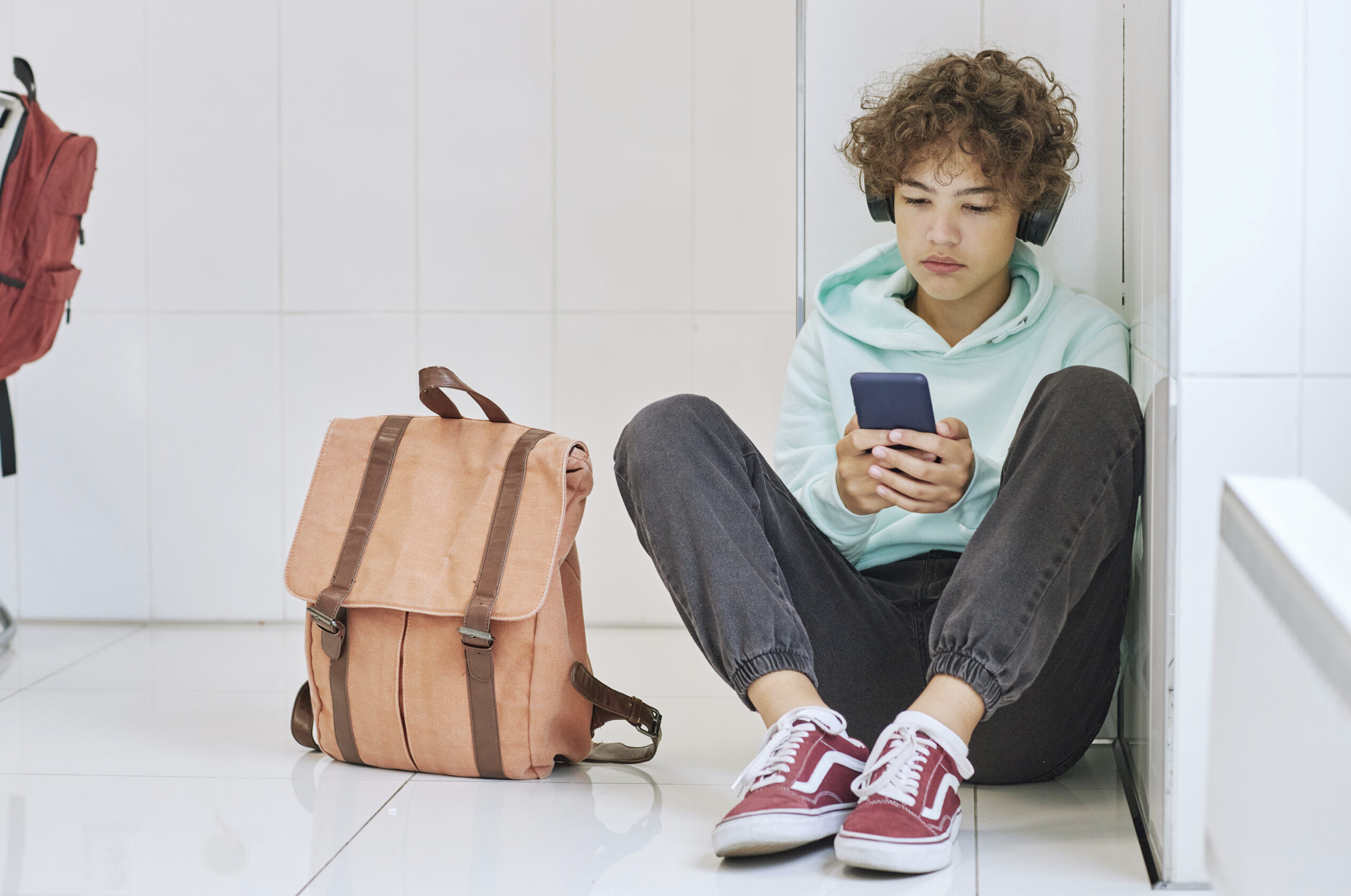
Digital innovation within education is here - and it’s transforming how we learn, what we learn and where we learn it. We are experiencing a wave of artificial intelligence and a marriage between technology and education, as technology moves from supporting learning to possibly being the primary mechanism that directs learning. However, not all innovation is created equal, or does it only have positive outcomes. For example, the rise of digital media* in the form of social media and streaming platforms continues to impact our mental health, our ability to focus, as well as our overall well-being. Rapid advancements in technology and in particular, within the digital media landscape, presents a daunting challenge for humanity to remain authentic, clear, and purpose-driven as we navigate both the world in front of us and the digital realities that are pushed upon us through digital media tools (Fahey, R., 2023).
For the purposes of this article, digital media refers to any information distributed and consumed through digital platforms and electronic devices. This might be found on websites, social media platforms, mobile apps, streaming services, podcasts, digital advertising, video games, and more. Almost everything we access today through a digital device can be thought of as digital media (University of Niagara Falls Canada, 2025).
With the evolution of digital media and its growing presence impacting school environments, we must now reflect, refine, and retune our thinking with how we navigate the digital media and the smartphone use landscape impacting our students, while keeping a strong focus on school culture, youth well-being, and mental health.

The question then becomes: how do we manage our collective well-being and foster digital resilience in schools with the rise of digital media and frequent smartphone use among youth?
As a parent and educator, I often find myself around people who take a firm stance on digital media and smartphone use. Books like The Anxious Generation paint the picture of what is happening as digital integration entrenches itself within the lives of young people, negatively impacting their well-being. Young people face detrimental impacts, such as spaces for unrealistic comparison for girls and the creation of places that reinforce isolation for boys to retreat and hide from a seemingly intimidating world.
While mixed, we also see evidence that indicates circumstance, background, and context of smartphone and digital media use matters. For example, some evidence points towards restricting smartphone use and digital media in schools detracts from well-being and social connection and can increase student anxiety. Other research shows no differences in terms of mental health outcomes as a result of restricting smartphone use in school environments (Learnus UK, 2025).
In schools, frequent smartphone use and digital media can push classrooms to the edge of becoming a balancing act between education and entertainment. Educators attempt to keep up to the dopamine rush that youth receive from digital media while trying to engage learners whose brains are being rewired to crave short, non-stop, and often addictive content. Simply put, this rewiring drives frequent cravings for entertainment over learning.
Narrowing in on physical education (PE) settings, I have seen this play out firsthand. In some cases, students barely have the attention span to listen to clear instructions before engaging in active learning. A PE class can slip into a series of warm up activities because learners cannot follow carefully crafted activities focused on skill progression, tactics, or activities that can create moments of deep learning, understanding, agency, and connection. This is deeply concerning.
Educators, administrators and other professionals working in schools have a responsibility to develop an understanding of the research surrounding smartphone use and to respond to the emerging challenges in the context of their own school community. Here are some ways we can positively impact school culture, improve mental health, social well-being, and foster well-being for children and youth who are navigating the digital media landscape in their day-to-day lives:
1. Co-construct and Reinforce Protective Guardrails
When we have accountability mechanisms in place such as digital guardrails which include clear policies and norms around what is and isn’t acceptable digital media and smartphone use or behavior, this can support student well-being, mental health, and digital resilience. Taking a student-led approach, co-construct policies and norms for your school, connecting to the four areas of comprehensive school health. These policies can be tailored for different grade levels or different parts of the school and can provide a tremendous opportunity to empower students to positively contribute to the health and well-being of their school and their peers.
- For more information on comprehensive school health, visit the Joint Consortium for School Health website: https://www.jcsh-cces.ca/
2. Take Learning Outside
Providing ample opportunities to allow students to learn in the natural world have numerous benefits, including a deepened sense of belonging, environmental stewardship, increased resiliency, developed socialization skills, as well as greater well-being outcomes (Gina Marucci et al., 2021).
The outdoor environment enhances well-being outcomes and becomes a co-teacher, slowing us down, sharpening our focus, and turning discomfort into growth (Rustemeyer, C., 2025).
- To learn more about where to start in taking your students outside, check out Mentorship In The Wild by Court Rustemeyer and this resource by PHE Canada: Teaching in Alternative Learning Environments
3. Mitigate Distractions and Chronic Over Stimulation
Implementing innovative approaches such as reduced bell days, no cell phone days, or other low stimulation days such as natural light only days and low technology learning days can be a great way to bring students down from the massive amount of stimulus they receive from over seven hours of screen time for recreational purposes each day. (Ponti, M., 2025)
Limiting distractions and reducing overstimulation through the natural environment can help emotionally regulate students, reduce anxiety, and provide space for deep learning to occur.
- For more information on deep learning, check out the book Deep Work: Rules for Focused Success in a Distracted World by Cal Newport
- For more information on creating warm, comfortable environments check out The Little Book of Hygge by Meik Wiking
- For more information on screen time recommendations for children and youth, check out the 24-Hr Movement Guidelines for Children and Youth: csepguidelines.ca/guidelines/children-youth
4. Promote Student Agency, Consent and Digital Citizenship
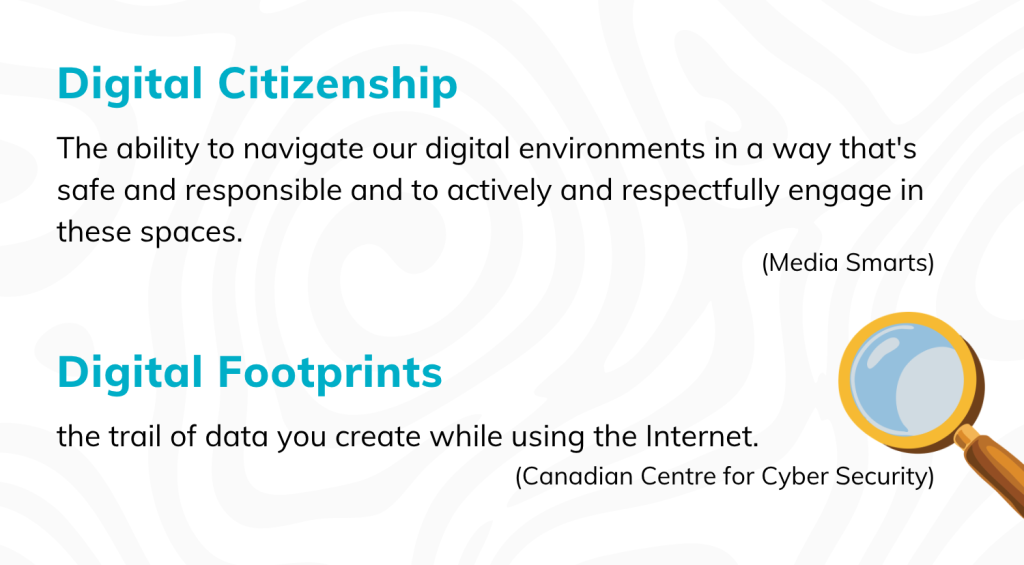
Teaching students about digital citizenship and digital footprints is key to helping them understand how to better navigate the digital media landscape. This new awareness and understanding can support student well-being and build critical skills in understanding how digital legacies impact future careers, relationships, etc. Provide opportunities to teach about this in your classrooms and include an informative bulletin board or space on your school website that provides education and awareness about digital citizenship, highlighting good practices and information from student leaders. This can also be a great way to introduce consent with students, connecting consent with information sharing online.
- For activities focused on digital citizenship, check out these activities from Surrey School District: https://surreyschoolsone.ca/students/digital-citizenship
- or more information on amplifying student voice and empowerment, check out this article from Physical and Health Education Canada: https://phecanada.ca/professional-learning/journal/amplifying-student-voice-physical-education
- For more information on consent education, check out the book Creating Consent Culture: A Handbook For Educators by Marcia Baczynski and Erica Scott
5. Make Space for Soft Skills to Be Taught
As the digital media landscape continues to grow and evolve, it will continue to fall short of teaching students the soft skills needed to navigate life beyond school walls. It’s critical to create space to help students develop soft skills that enable authenticity, meaningful communication, and empathy. Becoming familiar with resources such as the National Competencies from Physical and Health Education Canada and intentionally implementing and connecting your teaching to existing competencies in your region is critical for student growth, well-being and success.
- For more information on the National Competencies from Physical and Health Education Canada, visit: https://phecanada.ca/professional-learning/canadian-phe-competencies

6. Engage and Communicate with Families, Councils and Caregivers
As your school begins implementing the above-mentioned activities and initiatives, it is paramount to communicate them with parents, caregivers, and recreation leaders in a way that encourages continued conversations about digital media, smartphone use, and well-being at home and recreational spaces. Depending on the level of engagement you have from parents, councils, and caregivers, consider involving them to support or enhance existing school activities.
As we continue to navigate the complex relationship between education, digital media and smartphone use in schools, it is clear that our goal should not necessarily be to eliminate technology from schools altogether. Rather, we should use it to drive learning with purpose and intention, while navigating specific challenges as they arise. Smartphones and digital tools can enrich learning and connection, yet without thoughtful boundaries, they risk undermining the very focus, well-being, learning and community we seek to foster. By co-creating digital guardrails, taking learning outdoors, reducing overstimulation, teaching digital citizenship, and prioritizing soft skills such as communication, collaboration and empathy, we can empower students to thrive in both digital and physical spaces, helping them navigate the broader world around them.
Ultimately, fostering digital resilience requires a collective effort of educators, students, and families working together to ensure that technology supports, rather than dictates, the learning experience and positively contributes to student well-being. Smartphone use and digital media interventions also require tailored responses, unique to each school community, with youth voice at the centre.
References
Fahey, R. (2023). Listen: how to be you in a world where you can be anything. Self-published.
Gina Marucci et al. (2021). Nature: An antidote for our collective well-being and mental health. ETFO Voice. https://etfovoice.ca/article/nature-antidote-our-collective-well-being-and-mental-health
Learnus UK (2025, Jan 29). “What does the evidence say about smartphone bans?” Professor Pete Etchells, Bath Spa University [Video]. YouTube. https://youtu.be/Uj7n3jxs0Ks?si=T_kpRoo8I0-yvYW8
Ponti, M. (2025). Digital media: Promoting healthy screen use in school-aged children and adolescents. Canadian Paediatric Society. https://cps.ca/en/documents/position/digital-media
Rustemeyer, C. (2025). Mentorship in the wild: a guide to leadership, adventure and wonder. Rustemeyer Consulting.
University of Niagara Falls Canada. (2025, October). What is digital media and how can it help my career? https://www.unfc.ca/blog/what-is-digital-media
 |
This article is published in collaboration with the Ottawa-Carleton District School Board. |
Authors