type

  • Feature Article
  • Podcast
  • Research

theme

  • Instant Activity
  • Food Literacy
  • Outdoor Learning
  • Physically Active Learning
  • Social Emotional Learning
  • Cross-Curricular Learning
  • Models-Based Approach
  • PHE Community
  • Healthy School Communities
  • Fundamental Movement Skills
  • Dance Education
  • Digital Literacy
  • Health Education
  • Financial Literacy
  • Physical Education
  • Sex Education
  • Educational Leadership
  • Equity, Diversity and Inclusion
  • Teacher Education
  • Mental Health
  • Substance Use
  • Truth & Reconciliation

Search Results

SORT BY:

HEx Prescribing Health Education in Canada: Moving from Insight to Action - A PHE Canada Thinkers Report
April 17, 2026
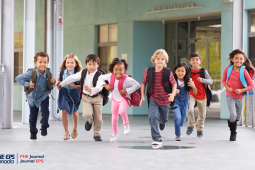
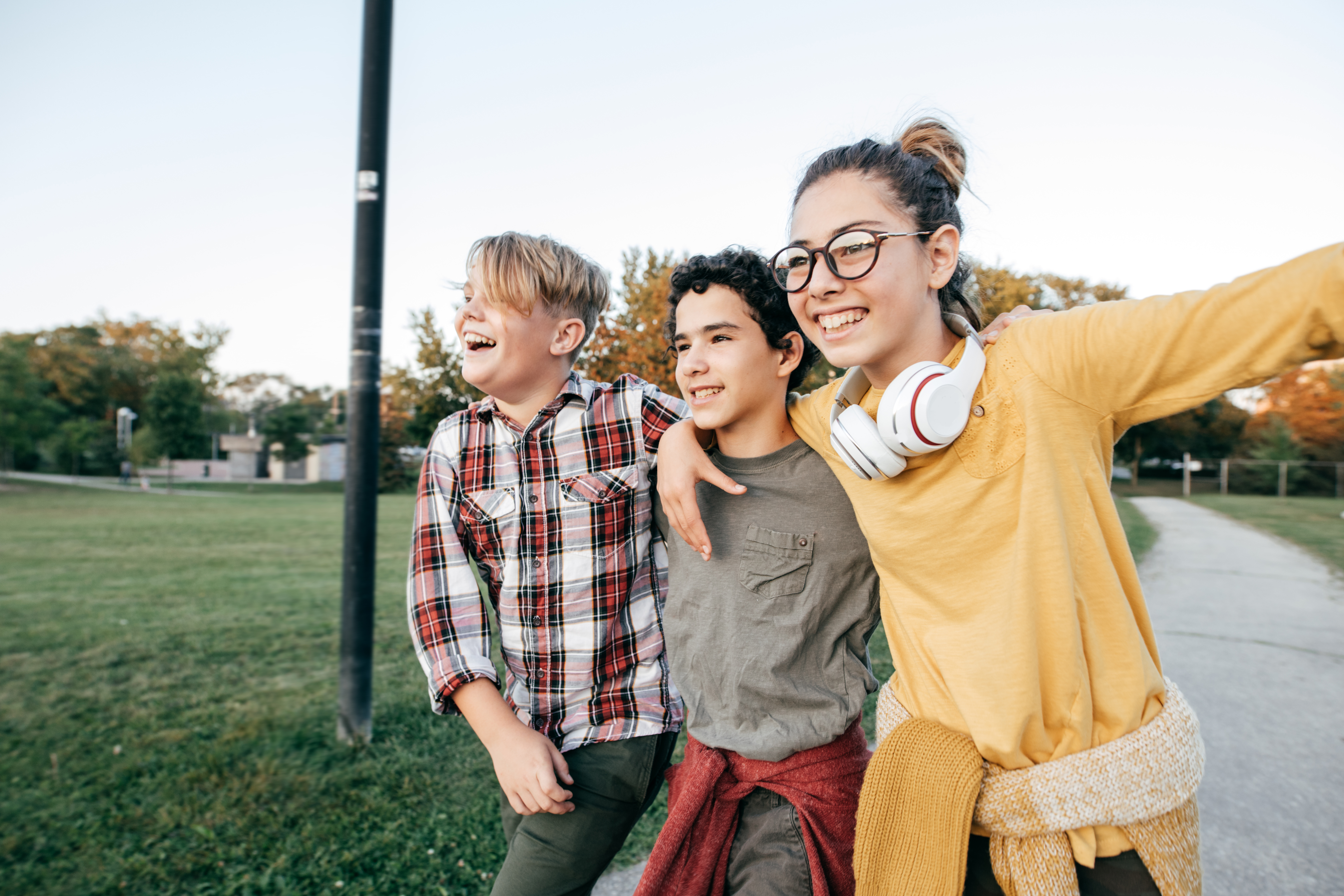
A group of three school-age children can be seen walking together outside a school. They appear happy and are clearly enjoying each other's company.

In May 2025, over one hundred physical and health educators, school system leaders, medical professionals, public health experts, researchers, policy makers and youth came together for PHE Canada’s annual Thinkers Gathering. Sponsored by Brock University’s Faculty of Education, the 2025 Thinkers Gathering focused on Health Education in Canada — its challenges, gaps, and the urgent changes needed to ensure every young person graduates health literate.

2025 PHE Canada Thinkers Report
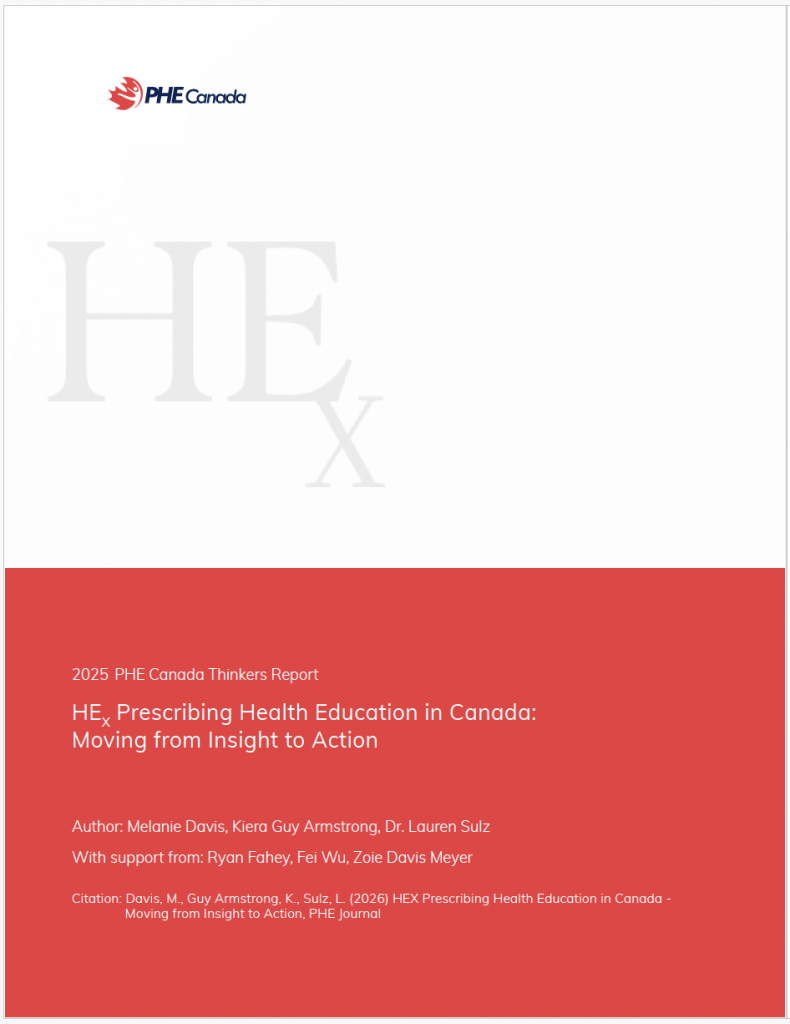
Thinkers Report 2025 Cover

Read the 2025 PHE Canada Thinkers Report

The 2025 Thinkers Gathering opened with a presentation from Dr. Lauren Sulz, who shared key insights from the Social Sciences and Humanities Research Council (SSHRC) funded research.

As Dr. Sulz emphasized, “We do not need more evidence that Health Education matters; we need more courage to act as though it does.” Participants were then invited to engage in table discussions guided by the following questions:

  • What conditions are necessary for health education to be implemented successfully in K–12 schools?
  • What factors influence the ability to implement quality health education in K–12 schools?
  • How can health education be prioritized within teacher education programs?
  • How can health education become more valued within schools?

Each table was supported by a scribe who recorded key discussion points. Notes from all tables were compiled and analyzed, resulting in the identification of seven interrelated key insights and 25 recommendations aimed at strengthening the effectiveness of health education in the Canadian context. 

We invite you to read this document and join us in advocating for the 25 recommendations and championing the actions that will guide us towards achieving meaningful and sustainable solutions within our school communities.

Recent Posts

A group of three school-age children can be seen walking together outside a school. They appear happy and are clearly enjoying each other's company.
HEx Prescribing Health Education in Canada: Moving from Insight to Action - A PHE Canada Thinkers Report
[ Feature Article ] We invite you to read this document and join us in advocating for the 25 recommendations and championing the actions that will guide us towards achieving meaningful and sustainable solutions within our school communities.
Authored by: PHE Canada
A young child with blonde hair in a bun, wearing denim overalls and a yellow shirt, looks over their shoulder while carrying a bright blue and green dinosaur backpack with orange spikes.
To Learn, To Love, To Move: Branding a Future in Physical Education
[ Feature Article ] This article explores how the phrase “To Learn, To Love, To Move” can reframe physical education (PE) as inclusive, joyful, and meaningful. Rooted in physical literacy and child development, it captures cognitive, emotional, and behavioral learning. The slogan offers a unifying identity for PE, resonating with students, educators, and policymakers. Practical implications for curriculum, staff development, and collaboration are discussed, positioning the phrase as both a guiding philosophy and a catalyst for cultural change in PE.
Authored by: Aaron Beighle, Ph.D., Mike Chamberlain, Dr. Heather Erwin
Two colorful puzzle pieces with a mosaic pattern of different shapes and colors on a light wooden background.
Stronger Together: Connecting Subjects to Ignite Student Learning
[ Feature Article ] In schools, across all grade levels, cross-curricular connections result in countless benefits for student learning. Cross-curricular connections are purposefully planned lessons that fuse two or more subjects, providing students with meaningful learning experiences while ‘connecting the dots’ between subjects. In this blog, I share a brief introduction and a few teaching considerations pertaining to cross-curricular connections, along with two examples—one for K-6 and one for Grade 7 and above. Alongside some supporting materials, I conclude with a list of ‘Three To-Dos’ for educational stakeholders to consider when thinking about the innumerable amount of benefits that can arise from cross-curricular connections in the learning environment.
Authored by: Brent Bradford
A solitary tree stands in a vast grassy field, silhouetted against a dramatic sunset sky with scattered clouds and rays of light breaking through.
Animality, Technology & Connecting to the Natural World: A Posthuman Approach to Physical Education
[ Research ] This paper explores a posthumanist approach to physical education (PE) to address declining well-being in both human and non-human worlds. It acknowledges the challenges of operating within a humanistic framework that often prioritizes human-centric goals and colonial perspectives. The proposed vision emphasizes reconnecting with our animality through self-directed and rough-and-tumble play, fostering creativity, social bonds, and a recognition of human-animal similarities.
Authored by: Ty Riddick
A group of kids are standing against a white wall, smiling and holding colorful balls ready to throw.
Pins and Bottles: Fun, Budget-Friendly Ideas for Target Games!
[ Feature Article ] Bowling pins, thin pins, and numbered pins are fantastic tools for target games—but you do not need anything fancy to get started. Empty water or soda bottles make a fun, budget-friendly alternative. Throughout this post, I will refer to them all as “pins,” but remember that bottles work just as well. For added flair and scoring variety, try filling bottles with water and a splash of food coloring.
Authored by: Dr. John Byl
An abstract line drawing showing two profiles of heads with pink brains inside. The heads are facing in opposite directions, one left and one right. The background shows a colourful ripple effect.
How I Tried to Gamify Physical Education
[ Feature Article ] After leaving teaching in 2017, I took on several long-term occasional (LTO) placements. More often than not, I was assigned a timetable that had several Grade 9 classes. During my years as a teacher...
Authored by: Rob Pacas