How Do I Include Everyone?
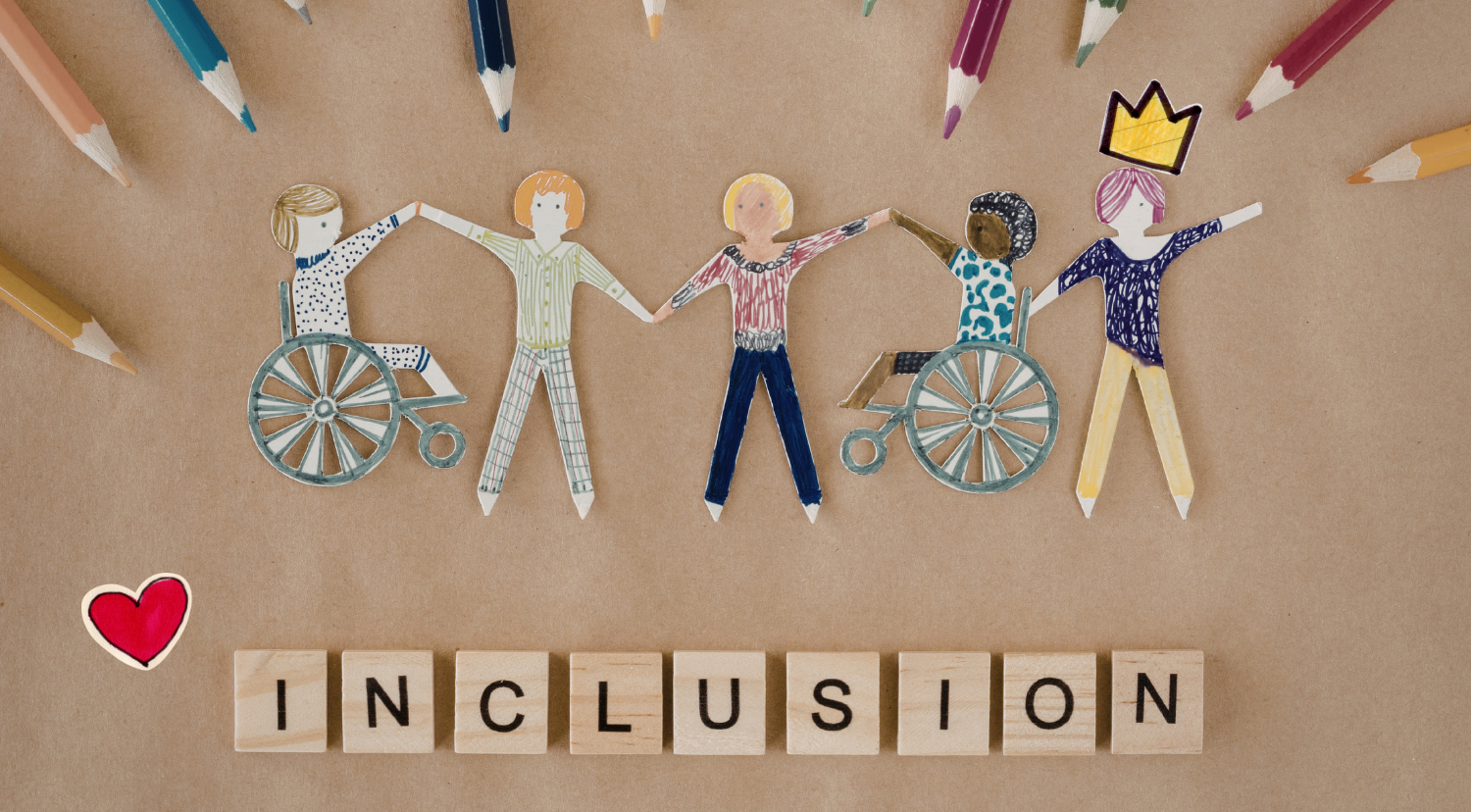
Fostering equity, inclusion, and belonging in physical education can be challenging. Ensuring that students feel seen and understood is integral to their successful development of physical literacy. Below are a few of my favourite go-to strategies. I encourage you to try out a few of the strategies that speak to you this school year and see what works. No two schools or communities are exactly the same, so please don’t be afraid to adapt and change to meet the needs of your students, staff and community.
Dressing for Class
Students are often expected to use change rooms. However, this can disadvantage some students due to religious beliefs, gender, ability, or economic barriers. Instead, consider adopting a “If you can move in it, you can play in it” policy. You might also install a “borrow” bin with gently used running shoes in the gym or play area. I often shop at local thrift stores to stock this bin.
Be Relevant
Being relevant does not require having your own popular TikTok account, but it does require asking students what matters to them and being open to learning. Read, listen, watch, and teach the "why" behind what you are doing in class to help students connect with the content. Consider creating videos for monthly assemblies that highlight physical education activities using graphics and GIFs that resonate with students.
Community
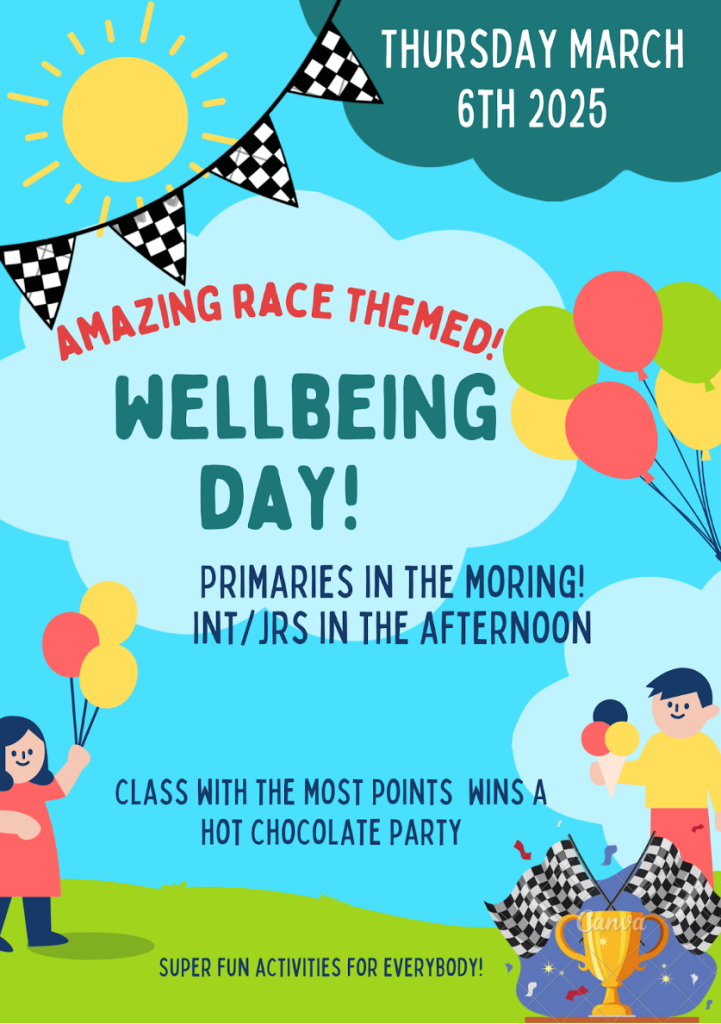
Create opportunities to invite local community partners into the school. This can be done in collaboration with the parent council during events like the spring fun fair or independently throughout the year. Partnering with groups that reflect the community opens doors and builds connection. For example, Hijabi Ballers, Cricket Ontario, outdoor education groups, bike clubs, and local dojos are among my top choices. Recently, I hosted a wellness day in partnership with our local Public Health Department and teacher candidates from Ontario Tech University. The Athletic Council chose the theme, public health provided equipment, and student teachers facilitated the stations.
Incorporate Unique and International Games
Introduce students to games such as Kabaddi from South Asia and Māori games like Poi Rakau. Use these activities as an opportunity to teach about global cultures. Be sure to provide historical and cultural context—emphasize appreciation, not appropriation.
Honour Indigenous Voices and Ways
It is essential to be transparent about your position if you are a settler teacher when sharing Indigenous knowledge and ways of knowing. Indigenous perspectives must be presented authentically and accurately. Reach out to local Indigenous communities, your school board’s Indigenous leads, and resources created in collaboration with FNMI communities. Always remember the principle: “Nothing About Us Without Us.” Not sure where to begin?
- Try starting and ending class with a circle instead of using traditional squad lines.
- Consider using a call-back instead of a whistle. My personal favourite is, “People of the World!” with the student response, “Spice Up Your Life!”
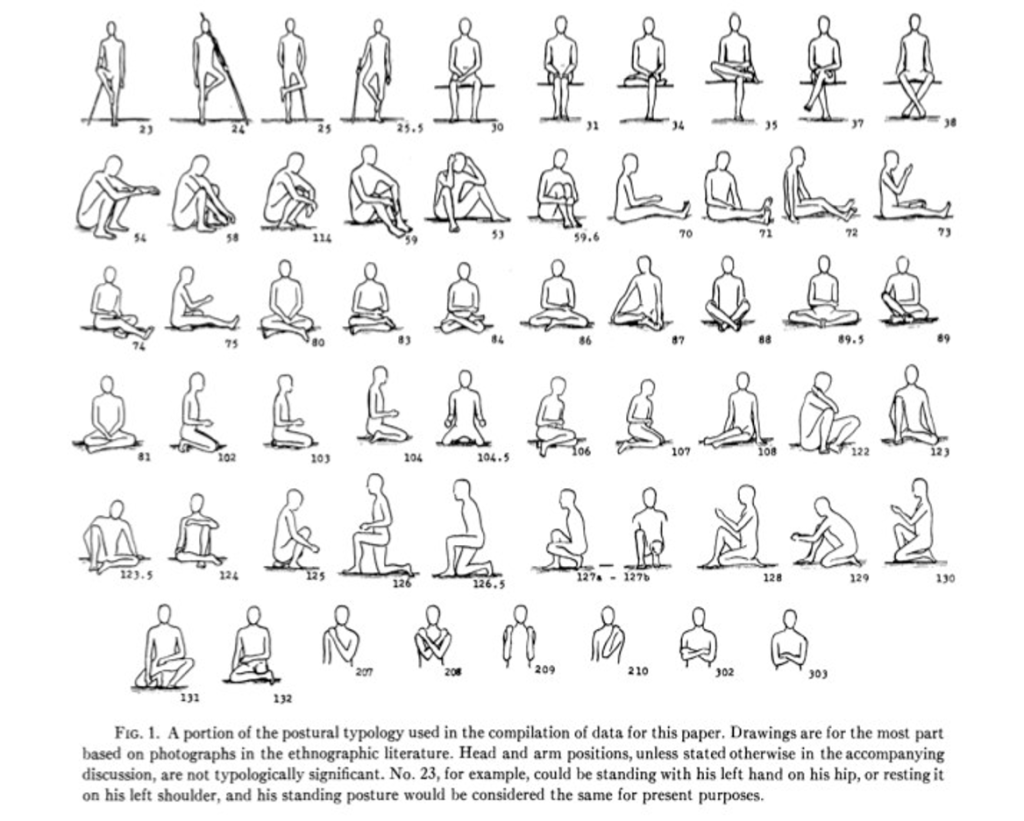
- Avoid enforcing “criss-cross applesauce” sitting positions. Allow students to sit or stand in ways that support their individual learning needs.
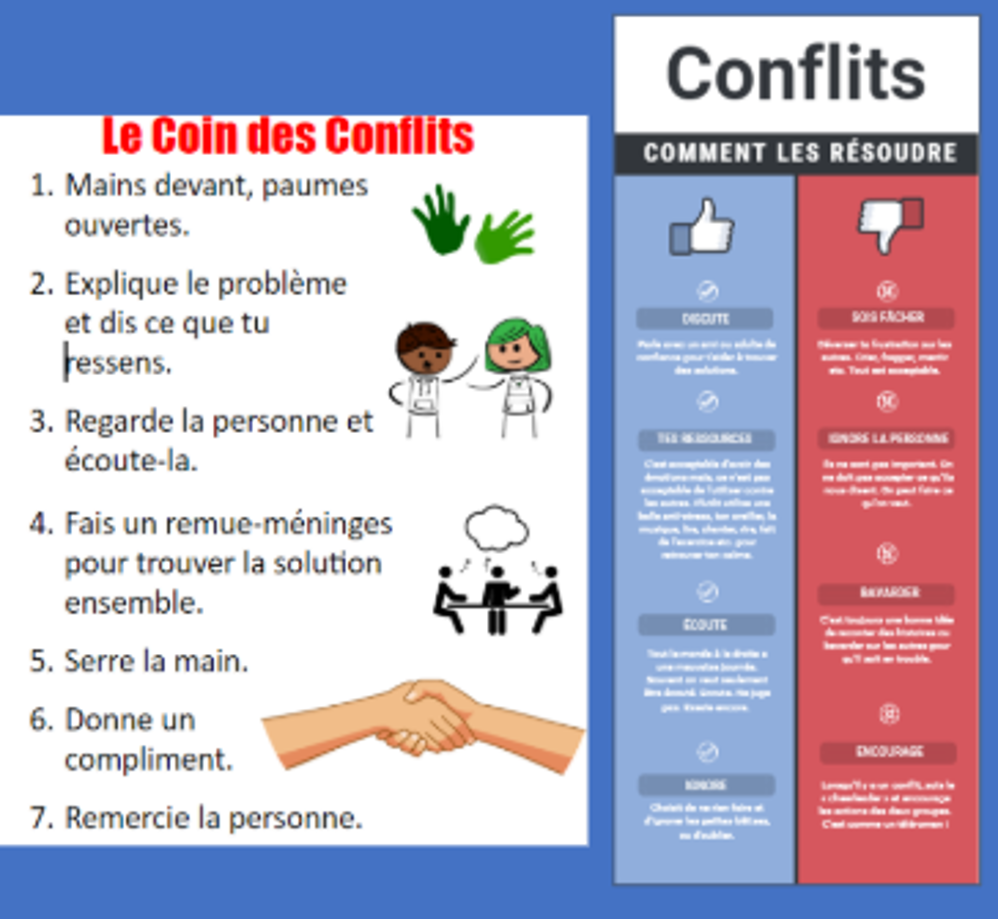
Conflict Corners/ Recentering Spaces
Design a safe space within the gym for reflection, recentering, and discussion. This can include fidgets, hand sanitizer, mindful breathing prompts, and conflict resolution strategies displayed on the wall. Mark off the area so it is clear for everyone and promote using it yourself to show the benefits.
Visual Reminders
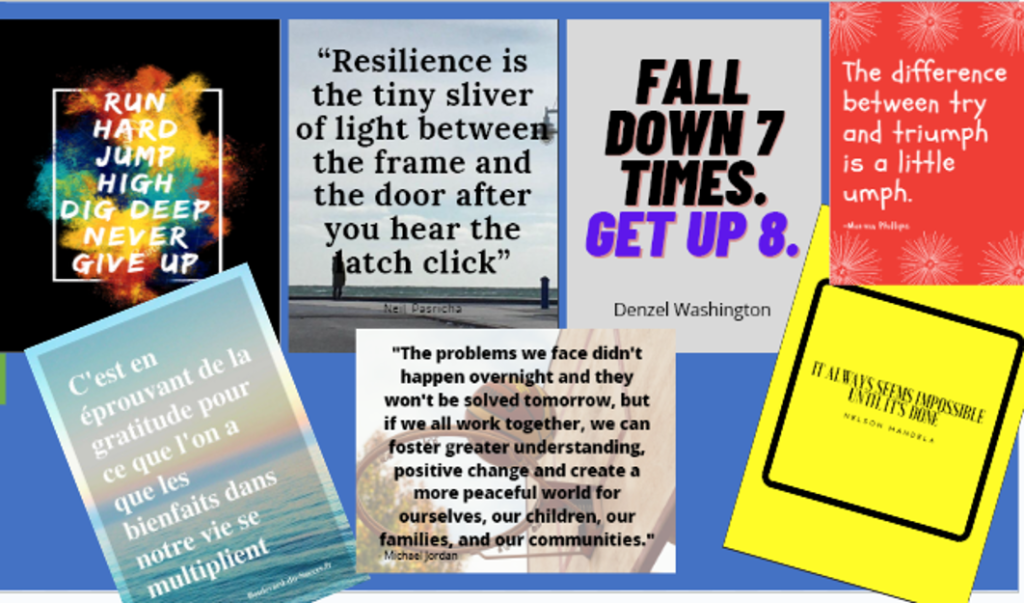
Use posters and visuals that are representative of the students and communities you serve. Highlight accomplishments, such as a student signature poster (I like brown paper) for students to sign when they make it through a 1-minute skipping challenge. Provide positive affirmations that students can read and reflect throughout the term. Use bulletin boards, gym walls and hallway displays to challenge stereotypes (e.g., what strength looks like) and promote social-emotional learning strategies and habits.
Student Voice and Choice
Discuss curriculum goals with your classes and involve them in choosing how these goals will be met. Let students vote on activities and help design the program for the coming year or term. When students have a say in what is taught and how it is taught, they take ownership of their learning.
Bonus idea: If you're looking for a pedagogical approach that emphasizes voice and choice, consider Teaching Games for Understanding (TGfU). This approach teaches games and sports through progressively complex activities, giving students the opportunity to modify rules and adapt skills as they develop mastery. Imagine the excitement of playing a game your class created!
Leadership Opportunities Beyond Sport
Leadership does not need to be reserved for elite athletes. Offer leadership opportunities based on interest rather than athletic skill. The athletic council, for example, can run intramurals (setup/referee/cleanup), maintain bulletin boards, make school announcements, help with daily physical activity (DPA) teams, plan Family Fitness Night, and design posters or athletic wear. Students simply need an interest and willingness to contribute.
Inclusive Language and Name Use
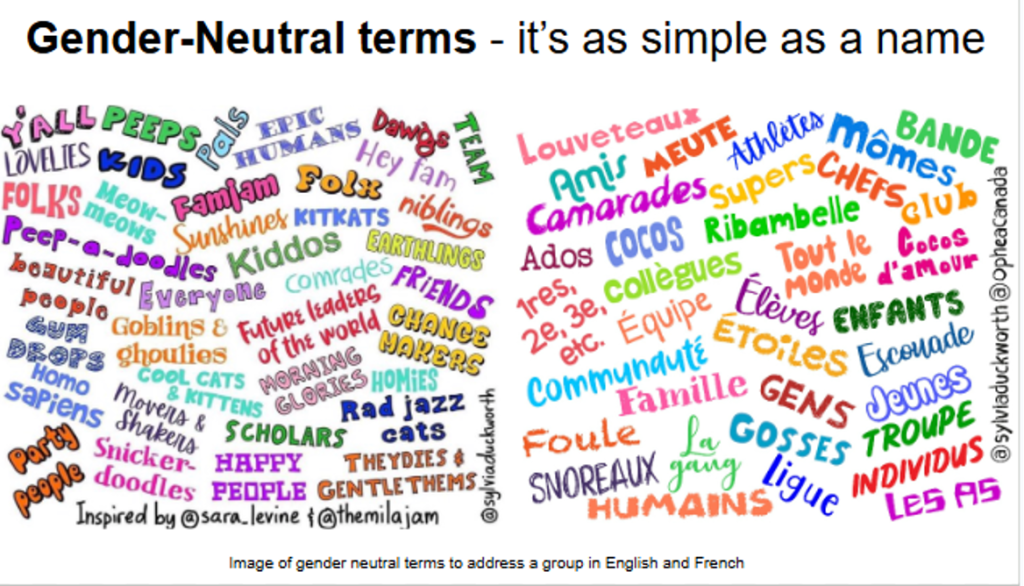
Make an effort to learn students’ names, the correct pronunciations, and pronouns. While mistakes may occur, continue to try to improve. Leave clear notes for substitute teachers to avoid using dead names or incorrect pronouns. Use inclusive language when addressing the group. My current favourites are “La gang” or “fam.” Check out this amazing poster shared by Ophea that gives examples of inclusive language in French and English for groups.
Outside the Classroom
Equity, inclusion, and belonging should not be limited to the classroom. These values must extend to school-wide activities, intramurals, sports teams, and all interactions with students and the broader school community. Focus your energy on areas where you can create the most impact and reach the greatest number of students. If coaching is your jam, consider something new like Ultimate, Kinball or Quadball that promote collaboration and fairplay.
Safe Spaces for All abilities
When planning for students with diverse abilities, use the PHE Canada STEP framework (Space, Task, Equipment, People) to modify and improve your program. This model supports inclusive design for all learners. Be proactive about what your students might need such as providing 1–2 sets of noise-cancelling headphones for students with auditory sensitivities or offering alternatives to pinnies—such as scarves, belts, or bracelets—to meet different accessibility needs.
I hope you find the suggestions in this blog useful. If any of these ideas have resonated with you, or if you want to learn more, please let me know! You can reach me at [email protected].
Want to learn more? Check out the following resources:
Personal Learning:
- You can’t have well-being where discrimination exists
- Building Critical Consciousness for Educational Equity
- “All together now: Academic Rigor and Culturally Responsive Pedagogy”
- The danger of a single story
- Implicit Bias - how it affects us and how we push through
- What does my headscarf mean to you?
Books worth Reading:
- Ahmed, S. K. (2018). Being the change: Lessons and strategies to teach social comprehension. Heinemann.
- Muhammad, G. (2020). Cultivating genius: An equity framework for culturally and historically responsive literacy. Scholastic.
- Oluo, I. (2018). So you want to talk about race. Seal Press.
Websites for Community Connection:
- Teachingtolerance.org
- Recess Champions
- https://indigenousheroes.ca/
- Trauma-informed PE: A beginner’s guide
- A collection of World Games
- Girls on the Run
- righttoplay.com
- Neurodivergent Infinity Network of Educators (NINE)
- Inclusion of Students of All Abilities in All Activities (PHE Canada Resource)
- Lessons from the earth and beyond
- Promoting Quality Physical Education (UNESCO)
References
PHE Canada. (n.d.). Understanding EDI resources. https://phecanada.ca/
West-Burns, N. (2020, February 12). Building critical consciousness for educational equity [Video]. TEDxOshawaED. https://www.youtube.com/
Hewes, G. W. (1955). World distribution of postural habits. American Anthropologist, 57(2), 287–303
Authors