How I Tried to Gamify Physical Education
After leaving teaching in 2017, I took on several long-term occasional (LTO) placements. More often than not, I was assigned a timetable that had several Grade 9 classes. During my years as a teacher, I always believed it was crucial to have an upbeat instructor for any Grade 9 class. Our goal was to encourage every student to continue taking Physical and Health Education (PHE) classes throughout high school. I knew I had to come in with more energy than all of my students, and more importantly offer each student a great experience every day.
One activity I implemented at every school I was fortunate enough to teach at was “The Ripple Effect” assignment. This activity was inspired by a book called The Ripple Effect by my good friend, Dr. Greg Wells. I used much of the research from his book to gamify the assignment in a way that would engage students.
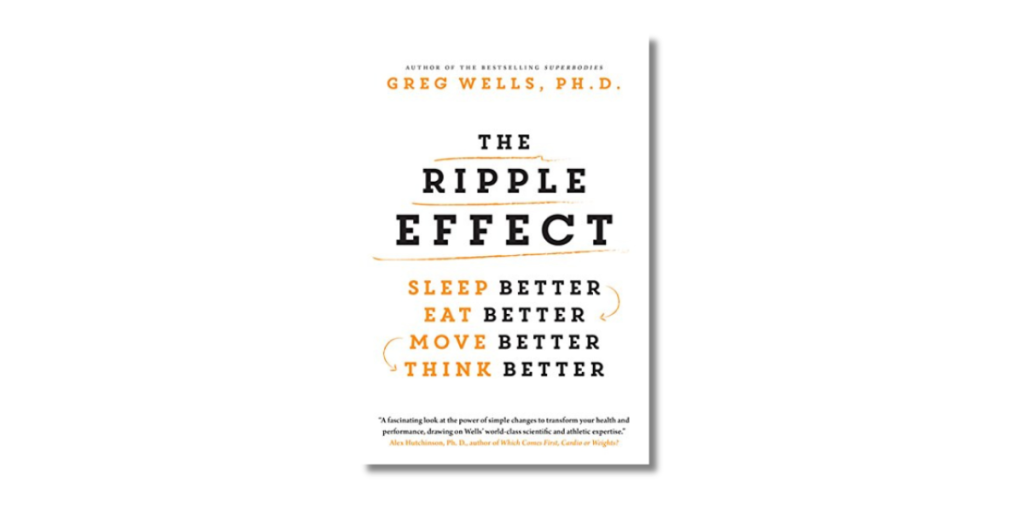
The core concept behind the book, and subsequently my assignment, was to assign points to four main areas of each student’s life: Eat Better, Sleep Better, Move Better, and Think Better. These areas were key themes in Dr. Wells' book, in alignment with the Living Well aspects of the Health and Wellness Education Competencies from the Canadian Physical and Health Education Competencies (Davis et al., 2023).
Typically, I was in LTO placements for 6 to 8 weeks, which was the perfect amount of time to notice change. I usually began with the basics. The first sheet I would give to any Grade 9, 10, or Fitness class I taught is attached below.
Students would earn points daily for the habits they developed. If they were already practicing the tasks, that was even better. Points were awarded in all four categories, and many tasks were repeated week after week. I kept it simple, typically spending no more than five minutes per day explaining one of the tasks. Health classes were ideal for gaining valuable insights into personal success stories, as we had more time to discuss each of the 4 categories, but also hear personal stories on how students were changing. Many students would realize that they weren’t alone and had similar struggles.
By combining the daily tasks with movement during PHE classes, I began to see noticeable changes in students' habits and lifestyles. The first few weeks were designed to be very attainable. I wanted them to experience success and check off tasks in almost every category. As the weeks went on, students started to feel the impact. After two weeks, many felt a difference, and by the fourth week, they started seeing or feeling the results. Just as I was leaving the LTO placement, many students were beginning to hear about their own transformation changes from their peers. As a teen, your substitute teachers comments do not come close to the affirmations you receive from your closest friends and family.
In my short time in each placement, I focused on the areas that would likely have the most significant impact. We discussed sleep, but more importantly, I emphasized the importance of going to bed and waking up at a consistent time each day. According to Dr. Wells, the body craves consistency, so I aimed to gamify that.
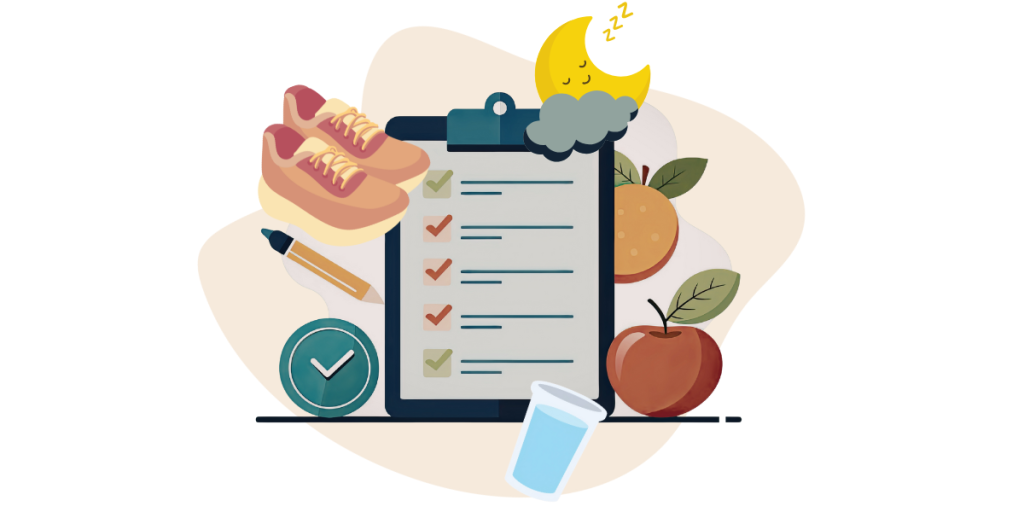
Another area of importance was nutrition and hydration. PHE teachers often talked about the importance of staying hydrated, so I encouraged my students to put their water bottle next to their phones. If they wanted to check their latest messages, they first had to drink a little water. Before they knew it, they had consumed a liter or two of water and earned a point in the process. In class, we incorporated lunges, squats, and other movements during warm-ups, which earned everyone a point for free. The most challenging point was related to Thinking Better. As a supply teacher or LTO, it was difficult for me to come in and immediately ask students to be positive and happy. As a new teacher to the building and department, I would often just hope the students remembered my name on Day 2.
One of my favorite moments came when I noticed how one habit or lifestyle change led to another. Better sleep patterns gave students more time in the morning to eat breakfast instead of skipping it. A better breakfast improved communication between parents, friends, and teachers. Increased energy also led to greater success in the fitness section of the class, which was often noticed by their peers. Happiness was evident, especially when students saw the result of a perfect score (25/25) on their weekly Habit and Lifestyle sheet. This was a moment of celebration for everyone involved.
I believe that everyone could benefit from this simple activity. Some of my football buddies started to participate and I started sending them the same sheets I gave to my students. One true story involves a friend who avoided hip surgery, stopped drinking 2 liters of Coke per day (yes, per day), and started exercising to get a perfect score each week. He has been working out 3 to 4 days per week for the past two years as a result.
I thought that exercise was my only way into the lives of students, but I encouraged them to include their caregivers and siblings and make it a family effort. If I was placed in the school long enough to do a parent-teacher interview, many parents would start the conversation with a “thank you.” This process has shown me how small, consistent changes can create big, positive ripples in our lives.
References
Davis, M., Gleddie, D. L., Nylen, J., Leidl, R., Toulouse, P., Baker, K., & Gillies, L. (2023). Canadian physical and health education competencies. Physical and Health Education Canada.
Example Challenges for Week 1
| Challenge | Monday | Tuesday | Wednesday | Thursday | Friday | Total Week |
| I go for a walk or participate in physical activity to raise my heart rate for a minimum of 15 minutes every day. | ||||||
| I turn off my phone, tablet or laptop at least 1 hour prior to going to bed. Watching TV is allowed. This is called the reverse alarm. | ||||||
| I go to bed and wake up around the same time everyday. | ||||||
| I participate in physical activity that I enjoy, appropriately challenges me, and helps me establish positive relationships. | ||||||
| I try and do something for myself for at least 20 minutes a day. This can be anything you look forward to (e.g., gaming). | ||||||
| Total |
Example Progression Challenges
| Challenge | Monday | Tuesday | Wednesday | Thursday | Friday | Total Week |
| I focus on good eating habits like eating with others or not multi-tasking and eating. | ||||||
| I make food choices that give me energy and nutrients throughout the day. | ||||||
| I make water my primary drink of choice. | ||||||
| I give back to my body and mind daily by doing something like yoga, having a bath, stretching, journaling, or meditating. | ||||||
| I focus on one task at a time and don’t multi-task (e.g., do homework and scroll on my phone). | ||||||
| Total |
Authors