type

  • Feature Article
  • Podcast
  • Research

theme

  • Instant Activity
  • Food Literacy
  • Outdoor Learning
  • Physically Active Learning
  • Social Emotional Learning
  • Cross-Curricular Learning
  • Models-Based Approach
  • PHE Community
  • Healthy School Communities
  • Fundamental Movement Skills
  • Dance Education
  • Digital Literacy
  • Health Education
  • Financial Literacy
  • Physical Education
  • Sex Education
  • Educational Leadership
  • Equity, Diversity and Inclusion
  • Teacher Education
  • Mental Health
  • Substance Use
  • Truth & Reconciliation

Search Results

SORT BY:

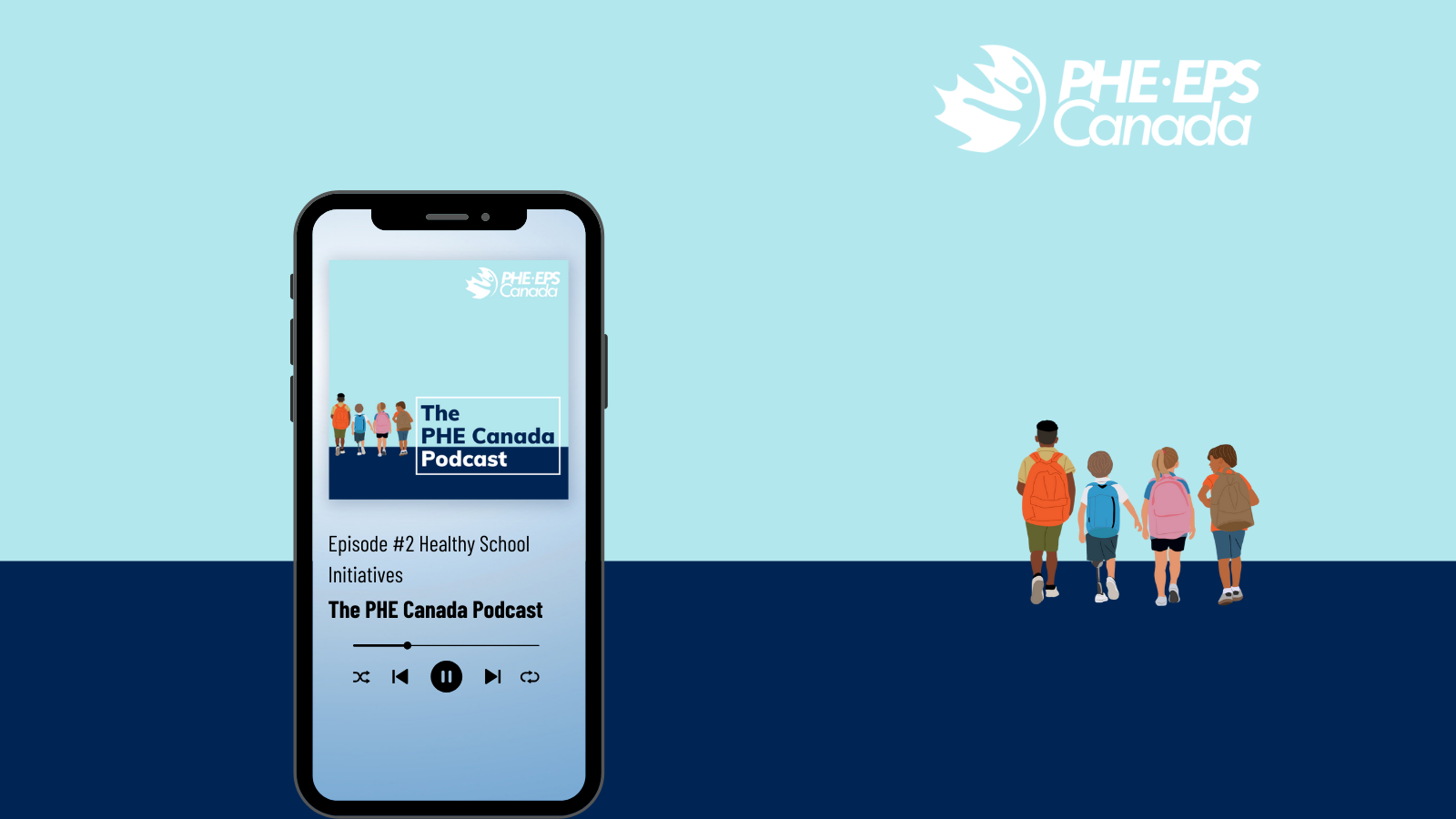
The PHE Canada Podcast, Season 1 - Episode 2: Healthy School Initiatives
February 14, 2024
The PHE Canada Podcast, Episode 2: Healthy School Initiatives

Welcome to The PHE Canada Podcast! In the second episode of our podcast, we speak with principal, Silvia Speck, and PHE teacher, Lisa Winters, from Avonmore Elementary School. Alongside our incredible host, Josh Read, Silvia and Lisa share their outlook and experience with healthy school certification, the importance and benefits of healthy school initiatives, and how they organize and facilitate their Power Hour, Grow Wall and Community Garden, Monthly Wellness Wall, and so much more! 

Whether you are new to running healthy school initiatives, are looking for healthy active living opportunities to begin at your school, are wanting to learn about ways to foster stronger relationships with students and staff, and/or how to engage families and your local community to get involved, we highly recommend tuning into this podcast episode. Avonmore Elementary is taking wonderful steps to enhance and promote wholistic well-being at their school which is encouraging students to bring their own ideas around healthy school initiatives to life.



              listen on YouTube


Check out more from Avonmore Elementary:

Recent Posts

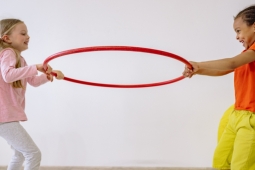
Two children hold a red hoop between them with their hands, smiling.
Hula Hoops as Versatile Equipment for Target Games
[ Feature Article ] Hula hoops are incredibly versatile pieces of equipment. They can be used as stationary targets lying flat on the ground, rolling targets for chase or toss games, or even aerial targets when tossed into the air.
Authored by: Dr. John Byl
A young person in a red leotard smiles while holding up a hand and waving colorful ribbons against a white background.
Big Dreams, Small Budget: Getting Started with Circus Arts
[ Feature Article ] Circus Arts offers numerous benefits, including enhanced self-confidence, creativity, coordination, and resilience. It provides students with the opportunity to develop physical and artistic skills at their own pace, fostering an inclusive environment where everyone can succeed. The program can be started on a small budget using common gym equipment and station-based learning. With a limited amount of equipment, station-based learning keeps costs low while still offering a variety of options for students. This approach ensures that students can practice different skills in smaller groups, fostering focus and creativity without requiring a large investment in expensive Circus Arts equipment.
Authored by: Dani Thomson
PHE Podcast S2E2 cover
Game Changers: How Student Voice Transforms School Communities, Part 1 (The PHE Canada Podcast, S2E2)
[ Podcast ] Welcome to the PHE Canada Podcast! This is the first episode in a two-part series about PHE Canada's Game Changers program. In this first episode, host Caleb Poulin is joined by Sherra Rogers, physical education teacher and Master of Education student at St. Francis Xavier University, along with PHE Canada’s Programs and Resources Lead, Kelsey Fahie, to discuss the research side of the Game Changers project. They explore how the program was studied, what the research process looked like and the key findings that emerged from the participating schools.
Authored by: PHE Canada, Sherra Rogers
1. Un groupe d'étudiants marchant ensemble sur la rue, discutant et riant joyeusement.
When Research Drives Action: The University of Moncton Uses PHE Canada’s Advocacy Report to Strengthen Its Physical Education Program
[ Feature Article ] The University of Moncton drew on PHE Canada’s Erosion of Physical and Health Education in Canada advocacy report to support a review of the admission requirements for its Physical Education program. This initiative demonstrates how evidence-informed advocacy can help strengthen the preparation of future educators and support the long-term sustainability of quality physical and health education across Canada.
Authored by: PHE Canada
Paper cutouts of diverse people, including some in wheelchairs, holding hands, surrounded by colored pencils. Wooden letter blocks spell out 'INCLUSION'.
How Do I Include Everyone?
[ Feature Article ] Fostering equity, inclusion and belonging in physical education can be challenging, but it is essential for students to feel seen, understood, and supported when they are developing physical literacy. This article shares practical, adaptable strategies that promote inclusive practices—such as flexible dress codes, culturally responsive practices, student voice in planning, and accessible leadership opportunities. It emphasizes creating safe, welcoming spaces through community partnerships, Indigenous perspectives, inclusive language, and visual representation. While not a one-size-fits-all guide, these ideas offer a starting point for creating more welcoming and equitable PE environments that reflect and respect the diversity of our school communities and lived experiences.
Authored by: Brenda Carbery-Tang
Group photo of the Student Chapter Showcase
Building Connection, Leadership, & Belonging: The Student Experience at the 2026 PHE National Conference
[ Feature Article ] This year’s Physical and Health Education National Conference in Vancouver marked an exciting step forward for enhancing the student experience and strengthening connections among the next generation of PHE leaders. Through intentionally designed networking opportunities, active experiences, mentorship moments, and student-led initiatives, the conference created meaningful spaces for pre-service educators to build relationships and deepen their sense of belonging within the profession.
Authored by: Caleb Poulin, PHE Canada