Active Bodies, Thriving Minds: Bridging the Physical Activity–Mental Health Gap in Schools
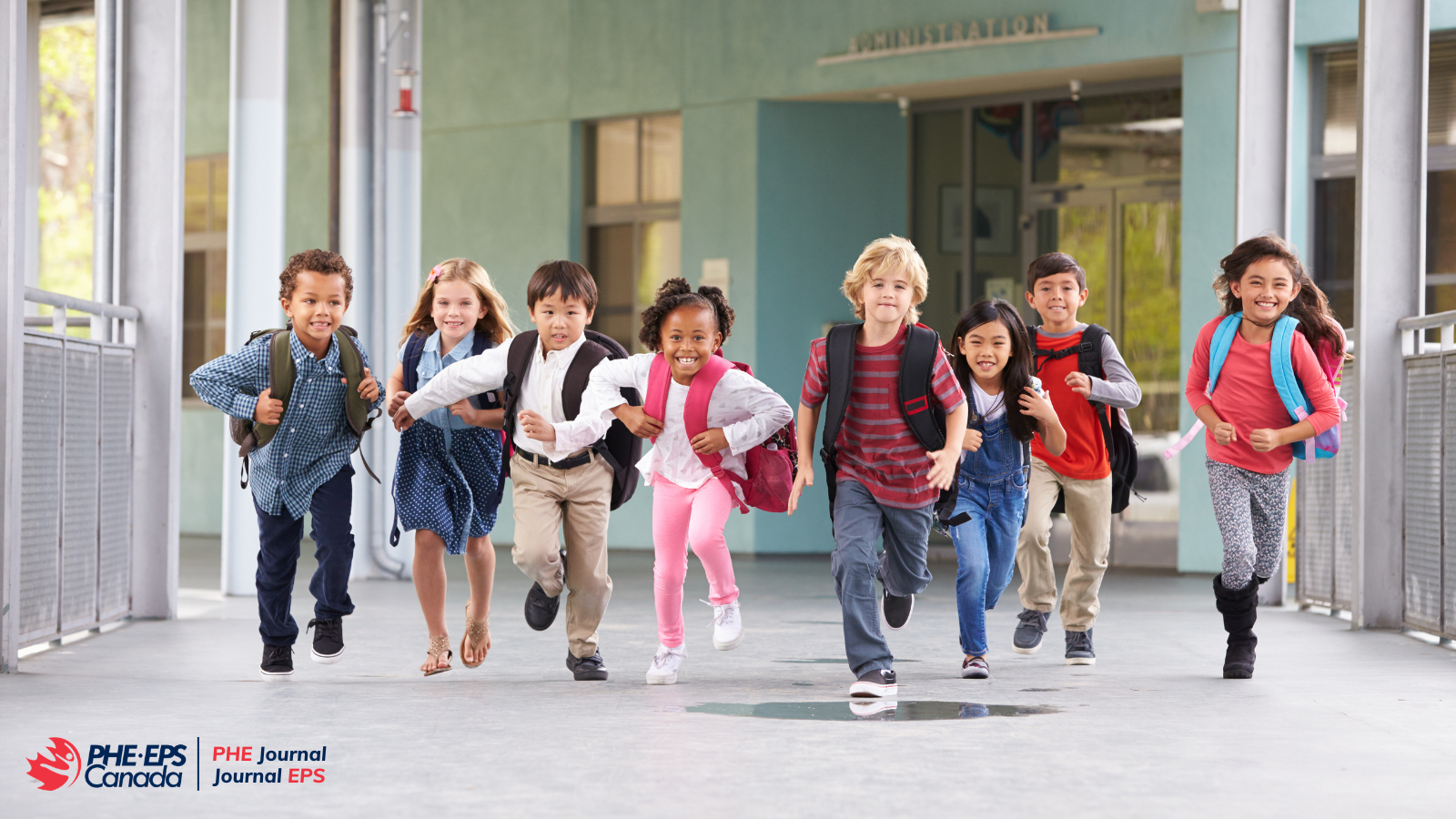
“When kids are physically active, it helps their bodies and minds feel good.”
This statement from Frontiers for Young Minds (Brush et al., 2025) captures a growing realization that physical activity isn’t just about fitness or fun, it is directly and intimately tied to mental health and well-being. “When you move your body, you improve your mental and physical health and increase your ability to learn and concentrate in school” (Brush et al., 2025). This is a critical finding given that 91% of Ontario schools report needing more support for student mental health and well-being at a time when more Canadian students are reporting that they are struggling, with rising levels of anxiety, depression, and stress in schools across the country (People for Education, 2023).
Unfortunately, the education systems often approach physical health and mental health separately. How can we better connect the dots between movement and mindset in our schools?
This article draws on research conducted in Ontario school boards and schools; however, the challenges and opportunities identified are relevant across Canada. While specific policies and programs may differ between provinces and territories, schools nationwide are grappling with many of the same questions around student mental health, physical activity, and how best to support young people to thrive amongst competing demands.
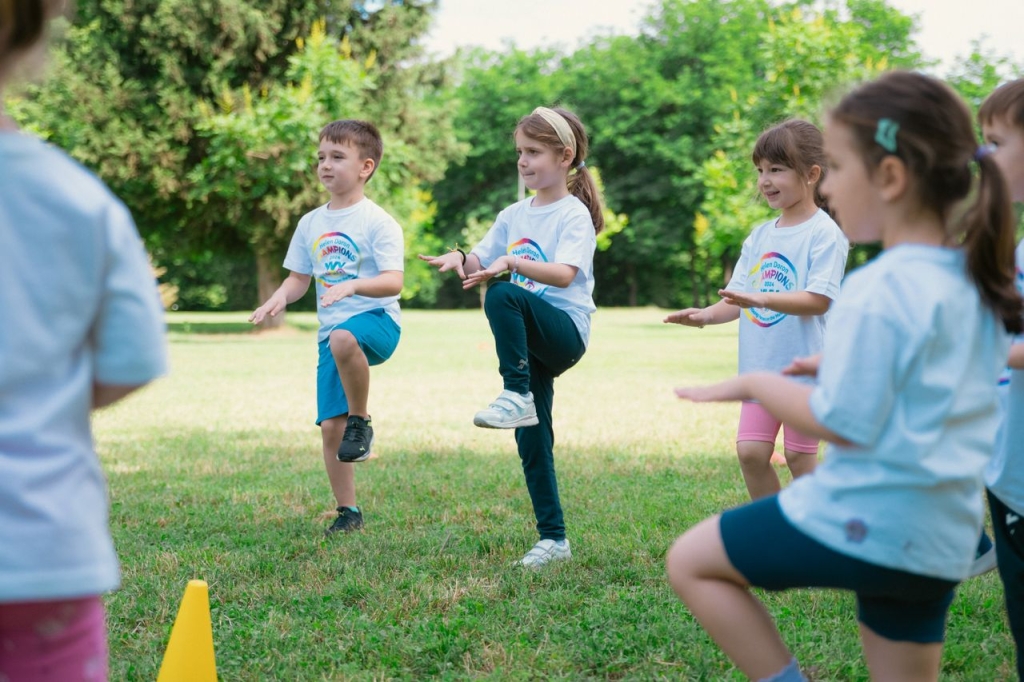
The Missing Link Between Movement and Mental Health
Across Ontario’s school policies, curricula, and mental strategies, one thing is glaringly absent: an explicit connection between physical activity and mental health. Physical activity encompasses movement at recess, physical education or gym class, embedded physical activity and movement as part of other core subjects (e.g., mathematics) and any type of incidental or structured play (e.g., classroom breaks, Daily Physical Activity or DPA). Mental health encompasses both positive indicators of mental well-being (e.g., resilience, flourishing, positive affect) as well as the relative absence of psychological distress and common mental health symptoms (e.g., depression, anxiety). The missing link between physical activity and mental health is especially striking given the evidence that movement reduces depression and anxiety, enhances mood, and improves cognitive function (Greenwood & Fleshner, 2011; Kandola et al., 2019). Active students are better equipped to manage stress while being more engaged in and outside of school (Bradford & Berg, 2016).
Why, then, do our school policies, leaders, and administration often fail to capitalize on this uncontested connection between physical activity and mental health?
Historically, physical education has long been an overlooked subject area, often the first to be cut for more ‘core’ academic subjects, like mathematics or reading (Bradford & Berg, 2016). This legacy persists today, with physical education still viewed by many as an optional extra rather than essential to student well-being. As a result, physical activity and mental health initiatives often operate in silos, with minimal communication between educators, policymakers, and researchers and completely absent messaging tying these two critical foci together. This disconnect means we’re missing a powerful opportunity to align efforts and improve student health on all fronts.
The evidence is too compelling to ignore: quality physical activity and daily movement are cost-effective, developmentally appropriate ways to support youth mental health. Imagine if every school board mental health strategy viewed gymnasiums and playgrounds as vital to well-being, alongside counselors’ offices. To close the gap between what we know (physical education, physical activity, and movement support mental health) and what we do (treat physical education, physical activity, and movement as optional, even completely cancelling recess in some districts), we must intentionally embed school physical activity (including physical education, movement at recess, and other ways students play) into school mental health policy and practice.
A Perception Divide: Students vs. School Leaders
Our research in Ontario (Ophea, 2025; Sabiston et al., 2024) revealed divergent perspectives on school-based physical activity. Students consistently expressed a need for more opportunities; they told us they need more sports, more clubs, more free play, simply more time get active during the school day. Students shared that movement helps them feel better, improve focus, build confidence, and perform better academically. Students voiced a desire for options that are social and inclusive, to create spaces where all students can find a place of belonging.
In contrast, school leaders (principals, teachers, and administrators) believed existing offerings were sufficient, they expressed “we’re doing enough.” A common refrain from interviews was that students already have physical education class, up to 20-minutes of Daily Physical Activity, plus intramural programs, so surely those add up to plenty of opportunities to move? But if the quantity of opportunities is adequate, why are students still asking for more?
The disconnect hints that it’s not simply about quantity of opportunities, but quality and accessibility. Research supports this disconnect. An Ontario-wide study nearly 20 years ago found that schools offered many physical activity opportunities (e.g., physical education classes, teams, clubs), yet student participation was strikingly low (Dwyer et al., 2006); this reality continues with only 23% of in-service teachers meeting Daily Physical Activity (DPA) mandates (Bigelow & Fenesi, 2023). Dwyer and colleagues concluded that while provision of activities appears satisfactory, actual engagement by students is lacking. Fast-forward to our recent study and we can conclude no evidence shows improved engagement, participation, or quality experiences (Sabiston et al., 2024). We need to rethink how we provide and promote these opportunities. It’s a classic case of “if you build it, they might not come,” especially if what’s offered doesn’t match student interests or needs.
Students want voice and choice in their movement experiences, simply having a sports team or a scheduled physical education period is not enough. Conventional offerings, like basketball, soccer, and hockey, may appeal to already-active students, but risk excluding those seeking less traditional, more inclusive options, like yoga, pickleball, dance, cricket, and ultimate frisbee. Additionally, physical activities and movement could be included within other core curriculum, like mathematics, language, or social sciences. Leaders should not mistake current involvement for universal participation. Overwhelmingly, students told us they want more diverse movement-focused opportunities, activities reflecting their interests and motivations. Building initiatives that place physical activity at the foundation of learning, rather than a sidebar, will require listening to student voice, not only to boost participation, but to ensure physical activity becomes a meaningful avenue for self-expression, inclusion, and mental health.
We recognize that schools face real constraints and challenges. Time in the school day is limited, budgets are tight, and academic pressures are intense. As we recalibrate perceptions, a key step is helping school leaders recognize physical activity is not a competing priority, in fact it is a catalyst to address all priorities – from social connectedness, spiritual growth, and academic achievement to physical, emotional, spiritual and mental health. When movement is embraced as essential it becomes a foundation for student success, not a distraction from it.
Why is Physical Activity so Important to Mental Health?
Decades of research, including lessons learned throughout the COVID-19 pandemic, have underscored that movement is foundational to student well-being (Broad et al., 2023; Donnelly et al., 2016; PHE Canada, 2020; Whigham, 2013). There is uncontested evidence that physical activity is related to improved mental health—through mechanisms ranging from influencing brain chemistry and thermodynamics to mastery and social connectedness (Doré et al., 2020; Eime et al., 2013). Physical activity during the school day also improves focus, memory, and academic outcomes, while enhancing leadership, inclusion, and social-emotional learning (e.g., Fritz et al., 2020; Latino et al., 2023). Through play, children develop critical interpersonal skills, such as negotiation, cooperation, and empathy, that support both mental wellness and positive school culture (e.g., Garaigordobil, 2022; Sohrabi, 2021).
This evidence makes one thing clear: physical activity should not be seen as extracurricular or expendable—it is a mental health intervention! Promoting movement throughout the school day, and protecting time for recess and active breaks, isn’t just a nice-to-have; it’s a critical piece of a proactive, inclusive, and equitable school mental strategy.
From Scarcity to Abundance: Reimagining School Wellness
Perhaps the most profound shift that needs to happen is one of mindset. Too often, discussions about student wellness (physical, social, emotional, spiritual) are framed by a scarcity lens, all the things we don’t have. Not enough funding for a full-time physical education teacher. Not enough time in the schedule for extra activities. Not enough training for teachers to integrate movement into lessons. This focus on deficits can foster a sense of helplessness or resignation.
What if we flipped the script and looked at our schools through an abundance mindset? An abundance approach recognizes and leverages the strengths and resources we already have (Stanec & Bhalla, 2015). Every school, no matter how resource-scarce, has assets to mobilize including passionate staff, eager students, community partners, outdoor space, and creative ideas. Focusing on existing capacities rather than the wish-list of what’s missing, we unlock new opportunities for wellness.
Crucially, an abundance mindset also expands our view of mental health. Instead of focusing solely on service waitlists or counselor ratios, we can see the daily school environment as filled with potential for well-being. As PHE Canada’s Healthy Schools reminds us, a truly healthy school integrates well-being in everyday learning and play; (w)holistically healthy schools embed health into the way we learn and play daily, seeing every classroom, hallway, and playground as foundational for healthy habits and connections (PHE Canada, 2025).
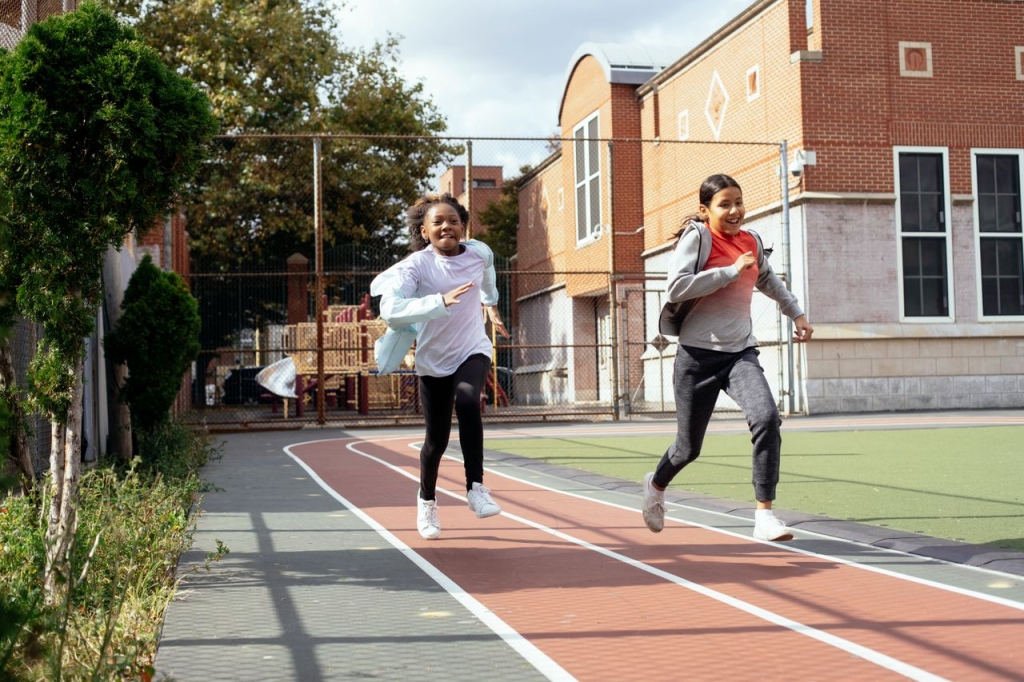
The Way Forward
Our exploration into physical activity and mental health in Ontario schools left us with a resounding sense of hope and urgency. Hope, because we already have key pieces in place—robust research showing movement supports learning and well-being, students eager to be active, resources at the ready to support, and educators committed to student health. Urgency, because these pieces remain scattered and underused. It’s time to bridge gaps between research and policy, student voices and adult assumptions; we must build the connection between physical activity and mental health.
While our survey data highlighted barriers, it also showcased an eager and motivated system of leaders and students who want to do more to increase physical activity opportunities for youth. Our workshops in partnership with Ophea and Canadian Women and Sport led to solutions such as integrating physical activity at multiple points throughout the school day, fostering affirming environments for every student to participate, taking advantage of opportunities to be or to provide a role model, centering student voice and choice in program planning, and fostering inclusive, accessible environments for every student. Most importantly, the recommendations call for explicitly promoting physical activity as a means of improving student mental health (Ophea, 2025).
Happy, active students are not a luxury, they are the foundation of effective learning and thriving school communities. As PHE Canada reminds us, “health and education are interdependent” (PHE Canada, n.d.). We cannot separate a child’s well-being from their capacity to learn and grow.
Let’s move, literally and collectively, toward a school experience where active bodies and thriving minds are not the exception, but the expectation.
Note: All authors are from the same department (Mental Health and Physical Activity Research Centre) at the same faculty (Faculty of Kinesiology and Physical Education) at the same institution (University of Toronto).
References
Bigelow, H., & Fenesi, B. (2023). Pre-Service Teachers’ Perceptions of and Experiences with Classroom Physical Activity. International Journal of Environmental Research and Public Health, 20(2). https://doi.org/10.3390/IJERPH20021049
Bradford, B., & Berg, S. (2016, January 26). The Untapped Potential of Physical and Health Education | PHE Canada. https://phecanada.ca/professional-learning/journal/untapped-potential-physical-and-health-education
Broad, A. A., Bornath, D. P. D., Grisebach, D., McCarthy, S. F., Bryden, P. J., Robertson-Wilson, J., & Hazell, T. J. (2023). Classroom Activity Breaks Improve On-Task Behavior and Physical Activity Levels Regardless of Time of Day. Research Quarterly for Exercise and Sport, 94(2), 331–343. https://doi.org/10.1080/02701367.2021.1980189
Brush, C. J., Merica, C. B., Orendorff, K., Knudson, K., Klein, L. M., & Egan, C. A. (2025). Why Should Kids Move at School? Frontiers for Young Minds, 13. https://doi.org/10.3389/FRYM.2025.1492450
Donnelly, J. E., Hillman, C. H., Castelli, D., Etnier, J. L., Lee, S., Tomporowski, P., Lambourne, K., & Szabo-Reed, A. N. (2016). Physical activity, fitness, cognitive function, and academic achievement in children: A systematic review. Medicine and Science in Sports and Exercise, 48(6), 1197–1222. https://doi.org/10.1249/MSS.0000000000000901
Doré, I., Sylvester, B., Sabiston, C., Sylvestre, M. P., O’Loughlin, J., Brunet, J., & Bélanger, M. (2020). Mechanisms underpinning the association between physical activity and mental health in adolescence: A 6-year study. International Journal of Behavioral Nutrition and Physical Activity, 17(1), 1–9. https://doi.org/10.1186/S12966-020-0911-5/TABLES/4
Dwyer, J. J. M., Allison, K. R., LeMoine, K. N., Adlaf, E. M., Goodman, J., Faulkner, G. E. J., & Lysy, D. C. (2006). A provincial study of opportunities for school-based physical activity in secondary schools. The Journal of Adolescent Health: Official Publication of the Society for Adolescent Medicine, 39(1), 80–86. https://doi.org/10.1016/J.JADOHEALTH.2005.10.004
Eime, R. M., Young, J. A., Harvey, J. T., Charity, M. J., & Payne, W. R. (2013). A systematic review of the psychological and social benefits of participation in sport for children and adolescents: Informing development of a conceptual model of health through sport. International Journal of Behavioral Nutrition and Physical Activity, 10(1), 1–21. https://doi.org/10.1186/1479-5868-10-98/TABLES/2
Greenwood, B. N., & Fleshner, M. (2011). Exercise, Stress Resistance, and Central Serotonergic Systems. Exercise and Sport Sciences Reviews, 39(3), 140. https://doi.org/10.1097/JES.0B013E31821F7E45
Kandola, A., Ashdown-Franks, G., Hendrikse, J., Sabiston, C. M., & Stubbs, B. (2019). Physical activity and depression: Towards understanding the antidepressant mechanisms of physical activity. Neuroscience and Biobehavioral Reviews, 107, 525–539. https://doi.org/10.1016/J.NEUBIOREV.2019.09.040
OPHEA. (2025). Nurturing Students’ Mental Health: The Importance of Equitable Movement and Sport in Schools Webinar Recap Blog | Ophea.net. https://ophea.net/nurturing-students-mental-health-importance-equitable-movement-and-sport-schools-webinar-recap-blog
People for Education. (2023, February 27). Principals sound the alarm about students’ mental health - People for Education. https://peopleforeducation.ca/report/principals-sound-the-alarm-about-students-mental-health/
PHE Canada. (n.d.). Health and Education are Interdependent | PHE Canada. Retrieved September 21, 2025, from https://phecanada.ca/professional-learning/healthy-schools/health-and-education-are-interdependent
PHE Canada. (2020). The Role of Recess in Canadian Elementary Schools: A National Position Paper. PHE Canada.
PHE Canada. (2025). Healthy Schools | PHE Canada. https://phecanada.ca/professional-learning/healthy-schools
Sabiston, C., Gollish, S., Coulbeck, V., Ryan, S., Mansoor, A., & Sunderji, S. (2024). Applying a Gender Equity Lens to Understand Sport and Physical Activity Opportunities and Barriers in Ontario Schools.
Stanec, A. D. ., & Bhalla, J. A. (2015). We belong: a how-to guide: improving access to physical activity programs for newcomer youth. Physical and Health Education Canada.
Whigham, L. (2013). The Crucial Role of Recess: USDA ARS. USDA Agricultural Research Service. https://www.ars.usda.gov/plains-area/gfnd/gfhnrc/docs/news-articles/2013/the-crucial-role-of-recess/
Authors