Examples of How a Comprehensive School Health Approach Can Be Used to Address Climate Change
Abstract
Climate change represents a profound threat to the health and wellbeing of today's children and adolescents, yet its impacts on these populations are not fully understood. Evidence indicates that climate-related extreme events, and the stress associated with climate change, may significantly affect young people's mental health, educational attainment, and physical activity levels. Schools can play a pivotal role in addressing these challenges. One approach to addressing these challenges is using a Comprehensive School Health (CSH) model, which encompasses four pillars: teaching and learning, social and physical environment, healthy school policy, and partnerships and services. This paper presents illustrative ideas for programs, policies, or practices that could align with different pillars of the CSH model in relation to climate change. These examples are intended to prompt discussion and reflection, rather than to assert effectiveness, and may offer ways schools could consider supporting students in responding to climate-related concerns, including climate anxiety, and developing skills to navigate environmental challenges.
Introduction
Today’s children and adolescents are growing up in the context of anthropogenic climate change, which is one of the greatest contemporary threats to human health and wellbeing (Fry, 2022). Yet, the consequences of this on children and adolescents are not well understood (McGushin et al., 2022). Emerging evidence suggests that the impacts of climate change on children and adolescents will be far-reaching, affecting many domains of their lives (Helldén et al., 2021; Martin, 2024; Martin et al., 2022; United States Environmental Protection Agency., n.d.). Directly experiencing a climate change-related extreme event (such as a heatwave, drought, flood, or wildfire) has been found to relate to mental health problems (Brown et al., 2019), could have an impact on children's and adolescents' ability to achieve their educational goals (Dickie & Paul, 2024), and influence their ability to engage in recreational activities, including physical activity (ParticipACTION, 2024). This is concerning as children born in this decade are projected to experience between two and seven times more climate change related extreme events than their grandparents' generation (Thiery et al., 2021).
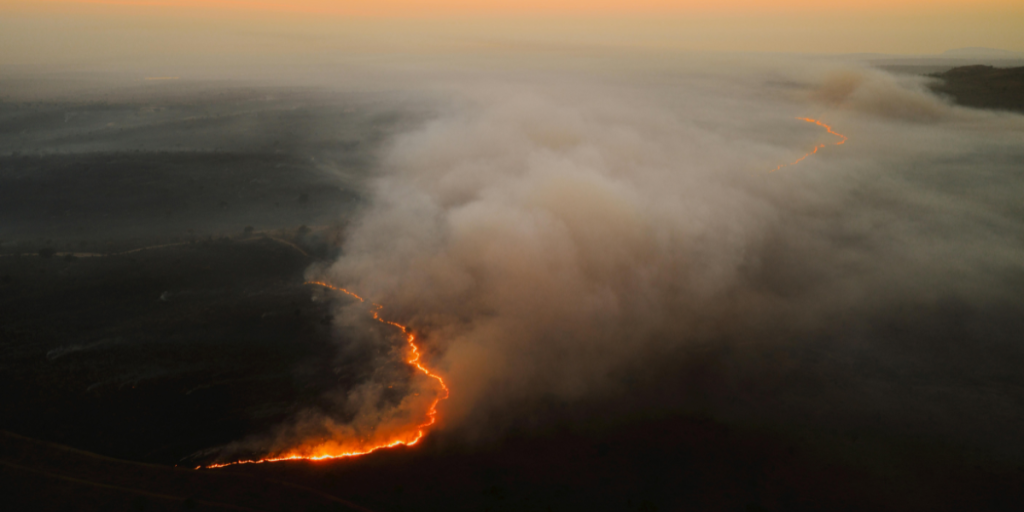
Beyond direct impacts, climate change could have indirect effects on child and adolescent health and wellbeing by impacting the upstream factors associated with the determinants of health. For instance, some authors have hypothesized that children may experience stress due to being displaced from their homes after climate-related extreme events and changes to the environment (Berchin, et al., 2017; Jafari, et al., 2022; Uddin et al., 2021). Additionally, access to resources might be affected by the changing climate, putting strain on family units thus impacting children's and adolescents' health and wellbeing (Clemens et al., 2022; Martin, 2024; McGushin et al., 2022). These are a few examples, but beyond these, climate change is expected to influence other upstream determinants of health and wellbeing for children and adolescents.
Climate change can also impact children and adolescents through their awareness of climate change and the threat it poses to the state of the Earth’s natural systems. The current cohort of children and adolescents have more media exposure and education about climate change than past generations (Crandon et al., 2022; Martin et al., 2022). Many children and adolescents report a range of complex and difficult emotions about this knowledge (Hickman et al., 2021; Martin et al., 2022, 2023). Such experiences are sometimes referred to as 'climate anxiety' or 'climate-distress'; although, at the time of this paper there is no agreed upon definition of these terms (Martin et al., 2022, 2023; Pihkala, 2020). When learning about climate change and bearing witness to its impacts, personally and/or to people, plants, and animals across the globe, it is understandable that many feel worry and concern about climate change and the uncertainty of its future impacts. These feelings are rational and can lead to action for positive change, but, for some, such feelings can also be overwhelming and interfere with daily functioning (Hickman et al., 2021). Developing approaches for supporting young people in coping with such difficult and complex emotions is an important area in which research is needed (Ojala, 2023).
In recent years, climate change education (Windschitl, 2023; Xu & Iyengar, 2023) has emerged as a distinct branch of sustainability education, with specific focus on age-appropriate, and often interdisciplinary approaches in the Kindergarten-12 system. While reckoning with climate change will be everybody's business (Battistoni, 2017), an increasingly volatile climate will have specific impacts on children's mental health, physical activity levels, particularly those already most vulnerable in society (Stein, 2024). As Physical and Health Education is typically the primary curriculum tasked with facilitating content on health, wellbeing, and outdoor learning, policy makers and teachers within this discipline will have an increasing imperative to recognize and respond to these issues.
Comprehensive School Health and Climate Change
Schools can serve as crucial settings to help address the issues caused by climate change and assist children in navigating its challenges. Throughout the academic year, students can cultivate pro-environmental habits, gain insights into complex issues through in-class instruction or school groups, learn strategies to support their emotional wellbeing, and subsequently carry these behaviors and understandings into their homes and communities. Importantly, these transformative habits and insights often endure well beyond a student's graduation (Klassen et al., 2024). Schools can be a place where children and adolescents may not just learn about climate change, but also a place to develop a sense of agency and community as well as engage in meaning-focused strategies for coping (e.g., finding meaning in a difficult situation through mechanism of hope and trust in other societal actors) with their emotions about climate change (Ojala, 2016).
One model that can be used to address health issues in the school environment is called the Comprehensive School Health model (CSH) also referred to as Health Promoting Schools (Pan-Canadian Joint Consortium for School Health, 2016). Multi-component school health models have been around for decades and are continuously refined and applied to different health issues like physical activity, nutrition, and mental health (Young et al., n.d.). CSH is a globally recognized framework that enhances students' educational outcomes by addressing school health in a systematic, integrated, and holistic manner (Pan-Canadian Joint Consortium for School Health, 2016). Rather than focusing only on what happens in the classroom, this approach focuses on the whole school environment. The four pillars are described in Table 1 and include teaching and learning, the social and physical environment, healthy school policy, and partnerships and services.
Table 1: Components of a Comprehensive School Health Model
| Component | Description |
|---|---|
| Teaching and Learning | Focuses on both the curricular and non-curricular education of students and the training of teachers. It involves providing resources and activities and aligning with curriculum outcomes from various subjects to ensure that students acquire age-appropriate knowledge and experiences. This approach helps students build the skills necessary to improve their health, wellbeing, and academic outcomes. |
| Social and Physical Environment | Considers the quality of relationships and the emotional wellbeing of both students and staff. It also includes the physical aspects of the school environment, such as buildings, grounds, and surrounding spaces. Ensuring a healthy social and physical environment also involves addressing essential requirements like air and water quality. |
| Healthy School Policy | This area involves the development and implementation of management practices, decision-making processes, rules, procedures, and policies that promote health and wellbeing. These policies shape a respectful, welcoming, and caring school environment. |
| Partnerships and Services | This aspect emphasizes the importance of fostering supportive relationships within schools (staff and students), between schools, and with other community organizations, representative groups, and families. It also includes providing community and school-based services that enhance the health and wellbeing of students and staff. |
* Data in Table 1 is based on the Pan-Canadian Joint Consortium for School Health (Pan-Canadian Joint Consortium for School Health, 2016)
Given the support from the World Health Organization and the Public Health Agency of Canada for CSH or its elements as a means to enhance the health and wellbeing of students and staff, it is plausible that adopting a CSH approach could be effective in educating about climate change while at the same time supporting student’s mental and emotional health and developing climate supporting habits and actions (Public Health Agency of Canada, 2022; Stewart-Brown, 2006).
Addressing Climate Change through a CSH
Addressing climate change and the complex emotions that can stem from it through a CSH model might be new territory for Health and Physical Education or Kindergarten to Grade 8 (ages 4-14) schoolteachers. To support teachers, the remainder of this article will provide ideas that fit into different pillars of the CSH model with a brief explanation of how they relate to addressing climate change issues including climate anxiety/distress. The examples included in this paper were selected to serve an illustrative purpose and were informed by the authors’ collective professional experience as teachers, researchers, and teacher-researchers, as well as their familiarity with school-based initiatives, rather than by a systematic search of the academic literature. Accordingly, the examples are not intended to represent a comprehensive account of existing programs or to imply evidence of effectiveness. Some schools may already be doing some of these activities as part of the school health programs but reframing them can lead to additional benefits. For example, an active school travel program can target physical activity and issues surrounding climate change.
Teaching and Learning
- Integrate Indigenous ways of Knowing: It is increasingly recognized that Indigenous traditions and ways of knowing offer vital resources for settler educators to ground learning content. The 2022 Intergovernmental Panel on Climate Change (IPCC) Report was the first to explicitly state that colonialism has been an accelerant for carbon emissions. In addition, the repatriation of land back to Indigenous peoples is a key strategy for preserving carbon sinks (Schmelzer, Vetter & Vansintjan, 2022). Linking climate change education to social justice is commonly known as ‘climate justice’ (Alook, et al., 2022; Klein & Stefoff, 2021) and offers an important framework for Kindergareten-12 teachers who are advised to think about how Indigenous voices and traditions are drawn into classrooms.
- Awareness to action: It is now widely recognized in scholarship on climate change education that for young people to feel hope, opportunities to engage in actions that mitigate carbon emissions and adapt to a changing world are essential (Pihkala, 2020). Westheimer's (2014) three-stage approach to citizenship education offers a framework for Kindergarten-12 teachers to reflect on their practice, shifting from 'personally responsible' ("I take active transportation to school"), to 'participatory' ("I organize a school composting program") to 'social justice' ("I understand the causes of climate change and engage in political action that will lead to change”) (Westheimer, 2014). Using this framework, teachers can provide opportunities for action based on each child's readiness.
- Interdisciplinary curriculum: Climate change has been often described as a “wicked problem” (Incropera, 2016), and one that when applied to an educational context requires looking across subject disciplines for drawing together learning outcomes through inquiry or project-based approaches (Tookes & Leege, 2024). For example, there are ways to draw on science-based curriculum to help understand changing weather patterns and climate change impacts on the ecosystem and water systems. Using the social studies curriculum, allows examination of climate change impacts on food systems or how citizens have responded to climate change. The Health and Physical Education curriculum provides a pathway for recognizing safe ways to be active in extreme weather conditions. Students can then express their emotions through art and literature, which connects to the language arts curriculum. In some provinces guidebooks have been created that suggests ways environmental education can be integrated with learning objectives from other subject areas. Generalist teachers in the K-8 system are well-placed to design interdisciplinary learning experiences, whereas teachers in the 9-12 system may need to seek allies across disciplines to tie together climate change content. Owing to their unique knowledge and experience with health and outdoor education, physical and health educators can play a key role in supporting interdisciplinary learning on climate change.
- Place-based learning: While the impacts of climate change will be global and total (IPCC, 2022), the ways in which climate change manifests will be unequally distributed within and across nations (Henry, 2019; Sauchyn et al., 2017; Whyte, 2017). Using online tools such as the Prairie Climate Centre’s Climate Atlas provides both visual representations of the uneven geographical distribution of climate outcomes – such as excessive heat, frost/thaw cycles, and flooding/drought conditions – across Canada, while also providing case studies of adults and organizations across the country engaged in climate change mitigation and adaptation. The climate atlas is available at https://climateatlas.ca/prairie-climate-centre. Curating learning experiences that are place-based connects content to young people that is both personally relevant and locally relevant, providing a meaningful context for taking action in the school community (Gruenewald, 2003, Vander Ark, et al., 2020).
- High Quality Professional Development and Teacher Education: Being prepared to teach about climate change is imperative for any actions to occur. Studies from Canada and Greenland, Australia, and the United States all show indications that pre-service to in-service teachers were underprepared to teach such an important topic (Boon, 2016; Demant-Poort & Berger, 2021; Will, 2023). To ensure quality climate change education it must be integrated in pre-service education and in-service professional development.
Physical and Social Environment
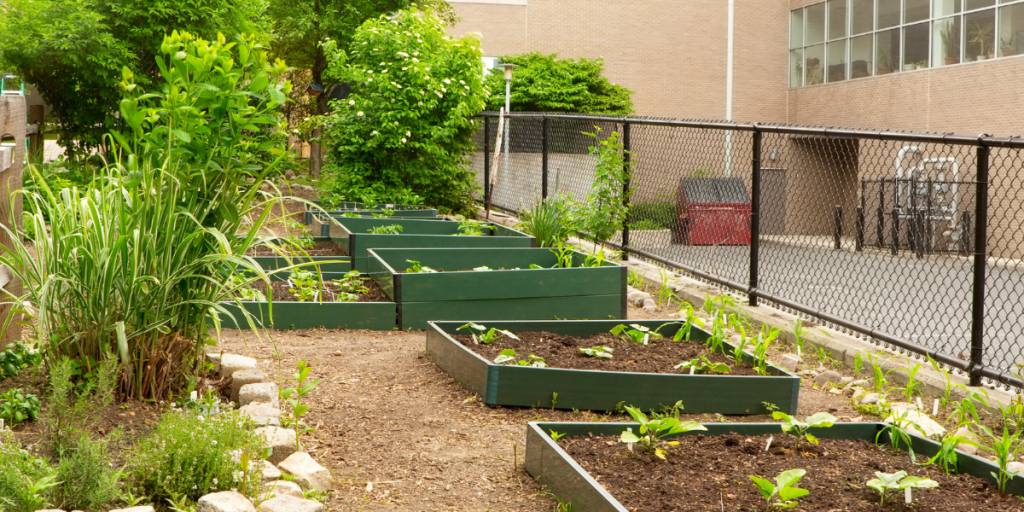
- Creation of a School Garden: Traditionally, school gardens have been implemented to enhance students' understanding of scientific concepts, such as plant biology, ecology, and environmental science, while also providing hands-on experience in food production and agriculture. According to Fisher-Maltese (2013) school gardens can also help improve a child's connection to nature. This increased connection to nature is not merely an abstract concept but can lead to tangible outcomes, such as enhanced environmental stewardship and a greater sense of responsibility towards preserving natural resources. School gardens can also help students learn about food systems, healthy eating, and sustainability (Research Consortium for School Health and Nutrition, 2023).
- Make Schools Climate Ready: Depending on the school location, different design strategies can be used to create a climate-ready school. For example, adding more trees can create a larger canopy to moderate the temperature on the school playground and decrease the effects of prevailing winds. A case study on a school re-design that includes information on how children were included in the design process, how the community would use the space, and how the school planned to increase outdoor learning is available at: https://www.evergreen.ca/wp-content/uploads/2023/10/Climate_Ready_Schools_Case_Study_2023.pdf
- Creation of School Clubs: Beyond the physical environment, creating a safe space for students and teachers to discuss their concerns about climate change or creating extra-curricular school programs that address climate change could protect student wellbeing. Martinez et al. (2016) found that students who participated in clubs felt like they had higher levels of adult support, student support, and school connectedness when compared to students who did not participate in school clubs. This increased connection may lead to decreased feelings of anxiety around climate change as they could be a place of support.
Policies
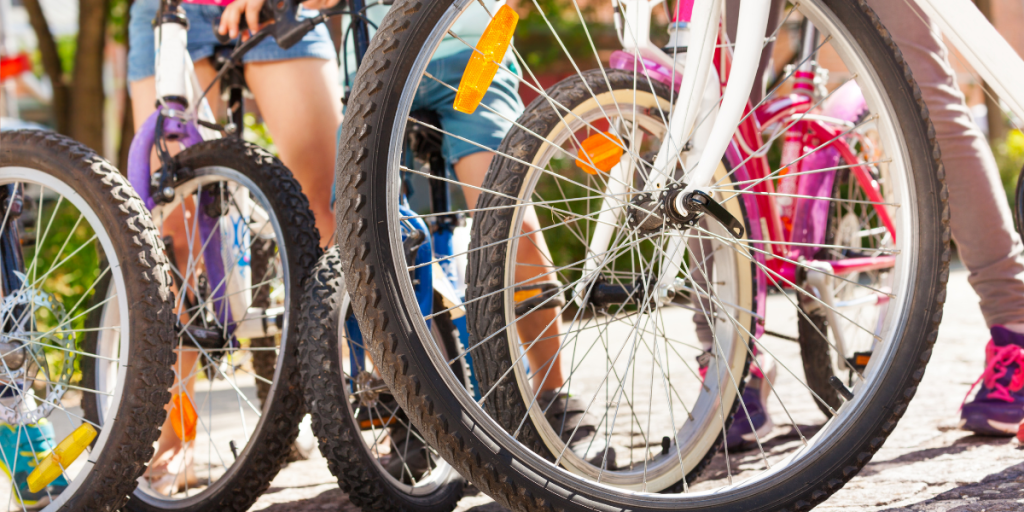
- Active transportation: Active transportation can help reduce carbon emissions which may mitigate climate change (Brand et al., 2021). In schools, active transportation policies are guidelines or practices implemented by a school to promote active transportation methods such as walking or wheeling to school. A multi-city European study found that by switching just one trip per day, you would reduce your carbon footprint (Brand et al., 2021). Schools looking to start an active transportation policy should use the 6 Es (engagement, equity, engineering, encouragement, education, and evaluation). More information is available at https://www.saferoutespartnership.org/
- Food Waste Reduction: It is estimated that one-third of the food produced in the United States is never consumed (Jaglo et al., 2021). When food is wasted, so are the resources used to transport, process, and distribute it. Once the food reaches the landfill, it breaks down and generates methane, which is a powerful greenhouse gas. During the school day, children may eat three to four separate meals or snacks (Skaf et al., 2021; United States Environmental Protection Agency, 2023). One school division has created a divisional composting strategy where compost is picked up weekly from 26 schools and other school division associated organizations to reduce their food waste impact. At the following link, you can find a guide for schools, a composting game, and a waste audit lesson plan: https://www.7oaks.org/akicentre/page/3415/divisional-composting
- School Weather and Recess or Closure Policies: Changes in climate are associated with more days of extreme heat and greater intensity and frequency of precipitation. These weather events may impact the school day. During recess, in certain weather conditions, like rain, students might be less active than on days with no rain (Button et al., 2020; Harrison et al., 2011). In some cases, outdoor recess might be moved indoors. When recess is moved indoors, students might lose the opportunity to be in nature, spend time with students in other classes, or be active (Ouellette et al., 2024). Schools must be prepared to support students during recess in various weather conditions or indoor recess. Some policy items may include allowing students outside for a small amount of time to allow for some contact with nature.
- School Board or School Division Leadership: In some countries, school boards plan and deliver education and set policies for schools in a certain geographical region that can contribute to a proactive stance on climate related issues (Field & Howlett, 2023; Manitoba School Boards Association, 2023). A living document by Field and Howlett (2023) provides a step-by-step guide to developing a climate action plan that is in line with the Paris Climate Change Agreement. These steps include: 1) Understanding your baseline for key factors related to climate change, 2) Setting clear goals, 3) Developing strategies (examples are listed in the document), 4) Engaging stakeholders, 6) Monitor and Report, 7) Review and update you school boards plan.
Partnerships and Services
- School and Family Connections: Sending home a parent newsletter to describe the current initiatives taking place in the school can be a simple strategy to promote climate change awareness and pro-environmental behaviors (Vi et al., 2022).
- School and City or Regional Partnerships: Some cities, like Winnipeg, have a climate action plan that includes improving active transportation networks, constructing low carbon buildings, and enhancing urban forests (City of Winnipeg, 2024). Connecting with the local city or municipality to describe current efforts that the community is taking to address climate change, such as a climate action plan, can provide students with real-world learning experiences that complement classroom instruction.
- School and Non-government Organizations: Linking with non-government organizations can provide support in multiple ways, including professional development sessions for staff and students, in-class curriculum-based guest presentations or projects, and some organizations like the World Wildlife Foundation in Canada provide funding for climate-related projects.
Implementation of a Comprehensive School Health Model
To successfully implement a CSH model, practitioners should refer to Storey et al. (2016), who identified essential conditions for its effective application. These include:
- Recognizing students as change agents, where their enthusiasm and involvement drive the project's success and extend new learnings to their home environments.
- Schools must have the autonomy to tailor interventions to their community's specific needs, fostering a sense of ownership.
- Demonstrated administrative leadership is crucial, with active participation from school principals being a key factor.
- Higher-level support from the school board, province, or territorial level can help prioritize CSH.
- A school health champion is critical for getting programs started and integrating CSH.
- Building community partnerships can alleviate implementation pressures and strengthen programs.
- Quality use of evidence is essential for planning, refining, and supporting CSH programs.
- Professional development for staff, both at the start and throughout the project, is vital to maintain motivation and understanding of the intervention.
Concluding Remarks
The CSH model offers a framework for educating young people and the entire school about climate change and provides a setting for undertaking environmentally friendly activities. By engaging in learning about climate-related activities, student anxieties about climate change may also be addressed. Health and Physical Educators are crucial to implementing this initiative, as they play a key role in promoting wellness within the school environment. These efforts not only enhance students' knowledge and skills but also may help mitigate climate anxiety and distress, fostering a generation that is both informed and resilient in the face of environmental challenges.
References
Alook, A., Eaton, E., Gray-Donald, D., Laforest, J., Lameman, C., & Tucker, B. (2022). The end of this world: Climate justice in so-called Canada. Between the Lines.
Battistoni, A. (2017). Living, Not Just Surviving. Jacobin, 65–71.
Berchin, I. I., Valduga, I. B., Garcia, J., & De Andrade, J. B. S. O. (2017). Climate change and forced migrations: An effort towards recognizing climate refugees. Geoforum, 84, 147-150.
Boon, H. J. (2016). Pre-Service Teachers and Climate Change: A Stalemate? In This Journal Article is posted at Research Online (Vol. 41, Issue 4). http://ro.ecu.edu.au/ajte/vol41/iss4/3Retrievedfromhttp://ro.ecu.edu.au/ajte/vol41/iss4/3
Brand, C., Götschi, T., Dons, E., Gerike, R., Anaya-Boig, E., Avila-Palencia, I., de Nazelle, A., Gascon, M., Gaupp-Berghausen, M., Iacorossi, F., Kahlmeier, S., Int Panis, L., Racioppi, F., Rojas-Rueda, D., Standaert, A., Stigell, E., Sulikova, S., Wegener, S., & Nieuwenhuijsen, M. J. (2021). The climate change mitigation impacts of active travel: Evidence from a longitudinal panel study in seven European cities. Global Environmental Change, 67. https://doi.org/10.1016/j.gloenvcha.2021.102224
Brown, M. R. G., Agyapong, V., Greenshaw, A. J., Cribben, I., Brett-MacLean, P., Drolet, J., Harker, C. M. D., Omeje, J., Mankowsi, M., Noble, S., Kitching, D. T., & Silverstone, P. H. (2019). Significant PTSD and other mental health effects present 18 months after the Fort McMurray wildfire: Findings from 3,070 grades 7–12 students. Frontiers in Psychiatry, 10(AUG), 1–14. https://doi.org/10.3389/fpsyt.2019.00623
Button, B. L. G., Clark, A. F., Martin, G., Graat, M., & Gilliland, J. A. (2020). Measuring Temporal Differences in Rural Canadian Children’s Moderate-to-Vigorous Physical Activity. International Journal of Environmental Research and Public Health.
City of Winnipeg. (2024). Winnipeg’s Climate Action Plan. https://www.winnipeg.ca/services-programs/trees-environment/climate-action/winnipegs-climate-action-plan
Clemens, V., von Hirschhausen, E., & Fegert, J. M. (2022). Report of the intergovernmental panel on climate change: implications for the mental health policy of children and adolescents in Europe—a scoping review. European Child and Adolescent Psychiatry, 31(5), 701–713. https://doi.org/10.1007/s00787-020-01615-3
Crandon, T. J., Scott, J. G., Charlson, F. J., & Thomas, H. J. (2022). A social–ecological perspective on climate anxiety in children and adolescents. Nature Climate Change, 12(2), 123–131. https://doi.org/10.1038/s41558-021-01251-y
Demant-Poort, L., & Berger, P. (2021). “It is not something that has been discussed”: Climate change in teacher education in Greenland and Canada. Journal of Geoscience Education, 69(2), 207–219. https://doi.org/10.1080/10899995.2020.1858265
Dickie, G., & Paul, R. (2024). Extreme heat shuts schools for millions, widening learning gaps worldwide. Reuters. https://www.reuters.com/business/environment/extreme-heat-is-closing-schools-widening-learning-gaps-worldwide-2024-04-30/
Field, E., & Howlett, S. (2023). Climate Leadership within Canadian School Boards: 2023 Review.
Fisher-Maltese, C. B. (2013). Fostering science literacy, environmental stewardship, and collaboration: Assessing a garden-based approach to teaching life science. Rutgers The State University of New Jersey, School of Graduate Studies.
Fry, I. (2022). Promotion and Protection of Human Rights in the Context of Climate Change.
Gruenewald, D. A. (2003). Foundations of place: A multidisciplinary framework for place-conscious education. American educational research journal, 40(3), 619-654.
Harrison, F., Jones, A. P., Bentham, G., Sluijs, E. M. F. Van, Cassidy, A., & Griffin, S. J. (2011). The impact of rainfall and school break time policies on physical activity in 9-10 year old British children: a repeated measures study. International Journal of Behavioral Nutrition and Physical Activity, 8(1), 47. https://doi.org/10.1186/1479-5868-8-47
Helldén, D., Andersson, C., Nilsson, M., Ebi, K. L., Friberg, P., & Alfvén, T. (2021). Climate change and child health: a scoping review and an expanded conceptual framework. The Lancet Planetary Health, 5(3), e164–e175. https://doi.org/10.1016/S2542-5196(20)30274-6
Henry, M. S. (2019). Extractive Fictions and Postextraction Futurisms Energy and Environmental Injustice in Appalachia. Environmental Humanities, 11(2), 402–426. https://doi.org/10.1215/22011919-7754534
Hickman, C., Marks, E., Pihkala, P., Clayton, S., Lewandowski, R. E., Mayall, E. E., Wray, B., Mellor, C., & van Susteren, L. (2021). Climate anxiety in children and young people and their beliefs about government responses to climate change: a global survey. The Lancet Planetary Health, 5(12), e863–e873. https://doi.org/10.1016/S2542-5196(21)00278-3
Incropera, F. (2016). Climate change: a wicked problem: complexity and uncertainty at the intersection of science, economics, politics, and human behavior. Cambridge University Press.
IPCC. (2022). Climate Change 2022 Impacts, Adaptation and Vulnerability: Summary for Policymakers. Working Group II contribution to the Sixth Assessment Report of the Intergovernmental Panel on Climate Change. [H.-O. Pörtner, D.C. Roberts, M. Tignor, E.S. Poloczanska, K. Mintenbeck, A. Alegría, M. Craig, S. Langsdorf, S. Löschke, V. Möller, A. Okem, B. Rama (eds.)]. Cambridge University Press. https://www.ipcc.ch/report/ar6/wg2/downloads/report/IPCC_AR6_WGII_FinalDraft_FullReport.pdf
Jafari, H., Kassan, A., Reay, G., & Climie, E. A. (2022). Resilience in refugee children and youth: A critical literature review. Canadian Psychology/Psychologie Canadienne, 63(4), 678.
Jaglo, K., Kenny, S., & Stephenson, J. (2021). Part 1 From Farm to Kitchen: The Environmental Impacts of US. Food Waste US Environmental Protection Agency Office of Research and Development: Washington, DC, USA.
Klassen, D., Montemurro, G., Flynn, J., Raine, K., & Storey, K. (2024). “It trickles into the community”: A case study of the transfer of health promoting practices from school to community in Canada. SSM - Qualitative Research in Health, 5. https://doi.org/10.1016/j.ssmqr.2024.100427
Klein, N., & Stefoff, R. (2021). How to change everything: A young humans guide to protecting their planet and each other. Simon and Schuster.
Manitoba School Boards Association. (2023). School Boards and Trusteeship in Manitoba.
Martin, G. (2024). Climate change and mental health and wellbeing: Reflections from a health geography lens. Geography Compass, 18(1), 1–11. https://doi.org/10.1111/gec3.12734
Martin, G., Cosma, A., Roswell, T., Anderson, M., Treble, M., Leslie, K., Card, K. G., Closson, K., Kennedy, A., & Gislason, M. (2023). Measuring negative emotional responses to climate change among young people in survey research: A systematic review. Social Science and Medicine, 329(February), 116008. https://doi.org/10.1016/j.socscimed.2023.116008
Martin, G., Reilly, K., Everitt, H., & Gilliland, J. A. (2022). Review: The impact of climate change awareness on children’s mental well-being and negative emotions – a scoping review. Child and Adolescent Mental Health, 27(1), 59–72. https://doi.org/10.1111/camh.12525
Martinez, A., Coker, C., McMahon, S. D., Cohen, J., & Thapa, A. (2016). Involvement in extracurricular activities: Identifying differences in perceptions of school climate. The Educational and Developmental Psychologist, 33(1), 70-84.
McGushin, A., Gasparri, G., Graef, V., Ngendahayo, C., Timilsina, S., Bustreo, F., & Costello, A. (2022). Adolescent wellbeing and climate crisis: adolescents are responding, what about health professionals? BMJ (Clinical Research Ed.), 379, e071690. https://doi.org/10.1136/bmj-2022-071690
Ojala, M. (2016). Facing Anxiety in Climate Change Education: From Therapeutic Practice to Hopeful Transgressive Learning. In Canadian Journal of Environmental Education (Vol. 21).
Ojala, M. (2023). How do children, adolescents, and young adults relate to climate change? Implications for developmental psychology. European Journal of Developmental Psychology, 20(6), 929-943.
Ouellette, C., Martin, G., Hyndman, B., & Button, B. (2025). Exploring key informants’ perceptions of weather-modified recess. Journal of Adventure Education and Outdoor Learning, 25(3), 611–620. https://doi.org/10.1080/14729679.2024.2335161
Pan-Canadian Joint Consortium for School Health. (2016). What is Comprehensive School Health? https://www.jcsh-cces.ca/en/resources/jcsh-core-resources/
ParticipACTION. (2024). Rallying for Resilience: Keeping Children and Youth Active in a Changing Climate. The 2024 ParticipACTION Report Card on Physical Activity for Children and Youth.
Pihkala, P. (2020). Anxiety and the ecological crisis: An analysis of eco-anxiety and climate anxiety. Sustainability (Switzerland), 12(19). https://doi.org/10.3390/SU12197836
Public Health Agency of Canada. (2022). School Health. https://www.canada.ca/en/public-health/services/child-infant-health/school-health.html
Research Consortium for School Health and Nutrition. (2023). School Meals and Food Systems: Rethinking the consequences for climate, environment, biodiversity, and food sovereignty. https://cgspace.cgiar.org/server/api/core/bitstreams/d40c7948-2d2e-43f3-a938-4a9844a7348a/content
Sauchyn, D., Davidson, D., & Johnston, M. (2017). Prairie Provinces. In F. J. Warren, N. Lulham, & D. S. Lemmen (Eds.), Canada in a Changing Climate: Regional Perspectives Report. Government of Canda.
Schmelzer, M., Vetter, A., & Vansintjan, A. (2022). The future is degrowth: A guide to a world beyond capitalism. Verso Books
Skaf, L., Franzese, P. P., Capone, R., & Buonocore, E. (2021). Unfolding hidden environmental impacts of food waste: An assessment for fifteen countries of the world. Journal of Cleaner Production, 310. https://doi.org/10.1016/j.jclepro.2021.127523
Stein, S. (2024). Making Space for Critical Climate Education. About Campus: Enriching the Student Learning Experience, 29(5), 4–13. https://doi.org/10.1177/10864822241284622
Stewart-Brown S. (2006). What is the evidence on school health promotion in improving health or preventing disease and, specifically, what is the effectiveness of the health promoting schools approach?
Storey, K. E., Montemurro, G., Flynn, J., Schwartz, M., Wright, E., Osler, J., ... & Roberts, E. (2016). Essential conditions for the implementation of comprehensive school health to achieve changes in school culture and improvements in health behaviours of students. BMC public health, 16(1), 1133.
Thiery, W., Lange, S., Rogelj, J., Schleussner, C. F., Gudmundsson, L., Seneviratne, S. I., Andrijevic, M., Frieler, K., Emanuel, K., Geiger, T., Bresch, D. N., Zhao, F., Willner, S. N., Büchner, M., Volkholz, J., Bauer, N., Chang, J., Ciais, P., Dury, M., … Wada, Y. (2021). Intergenerational inequities in exposure to climate extremes. In Science (Vol. 374, Issue 6564, pp. 158–160). American Association for the Advancement of Science. https://doi.org/10.1126/science.abi7339
Tookes, J. S., & Leege, L. M. (2024). International Journal for the Scholarship of Teaching and Learning Innovative Climate Pedagogy : Interdisciplinary Approaches to Teaching Climate Change Innovative Climate Pedagogy : Interdisciplinary Approaches to Teaching Climate Change. 18(1).
Uddin, R., Philipsborn, R., Smith, D., Mutic, A., & Thompson, L. M. (2021). A global child health perspective on climate change, migration and human rights. Current Problems in Pediatric and Adolescent Health Care, 51(6). https://doi.org/10.1016/j.cppeds.2021.101029
United States Environmental Protection Agency. (n.d.). Climate Change and Children’s Health. https://doi.org/July 5, 2024
United States Environmental Protection Agency. (2023). Lettuce Not Waste: New EPA Research Highlights Food Waste Contributions to Climate Change.
Vander Ark, T., Liebtag, E., & McClennen, N. (2020). The power of place: Authentic learning through place-based education. Ascd.
Vi, V., Suh, B. C., Lorenzo, E., Martinelli, S., Arriola, A., & Lee, R. E. (2022). Developing and Evaluating Newsletters for Parent Engagement in Sustainability via Active Garden Education (SAGE). International Journal of Environmental Research and Public Health, 19(8). https://doi.org/10.3390/ijerph19084617
Westheimer, J. (2014). What kind of citizen?: Educating our children for the common good. Teachers College Press.
Whyte, K. (2017). Indigenous climate change studies: Indigenizing futures, decolonizing the anthropocene. English Language Notes, 55(1–2), 153–162. https://doi.org/10.1215/00138282-55.1-2.153
Will, M. (2023). If Climate Change Education Matters, Why Don’t All Teachers Teach It? Education Week.
Windschitl, M. (2023). Teaching Climate Change: Fostering Understanding, Resilience, and a Commitment to Justice. Harvard Education Press.
Xu, L., & Iyengar, R. (2023). Climate Change Education: An Earth Institute Sustainability Primer. Columbia University Press.
Young, I., Leger, S., & Buijs, G. (n.d.). School health promotion: evidence for effective action Background paper SHE Factsheet 2.
Authors