Step Forward Dance Project: Broadening Youth Access to Inclusive Dance Education
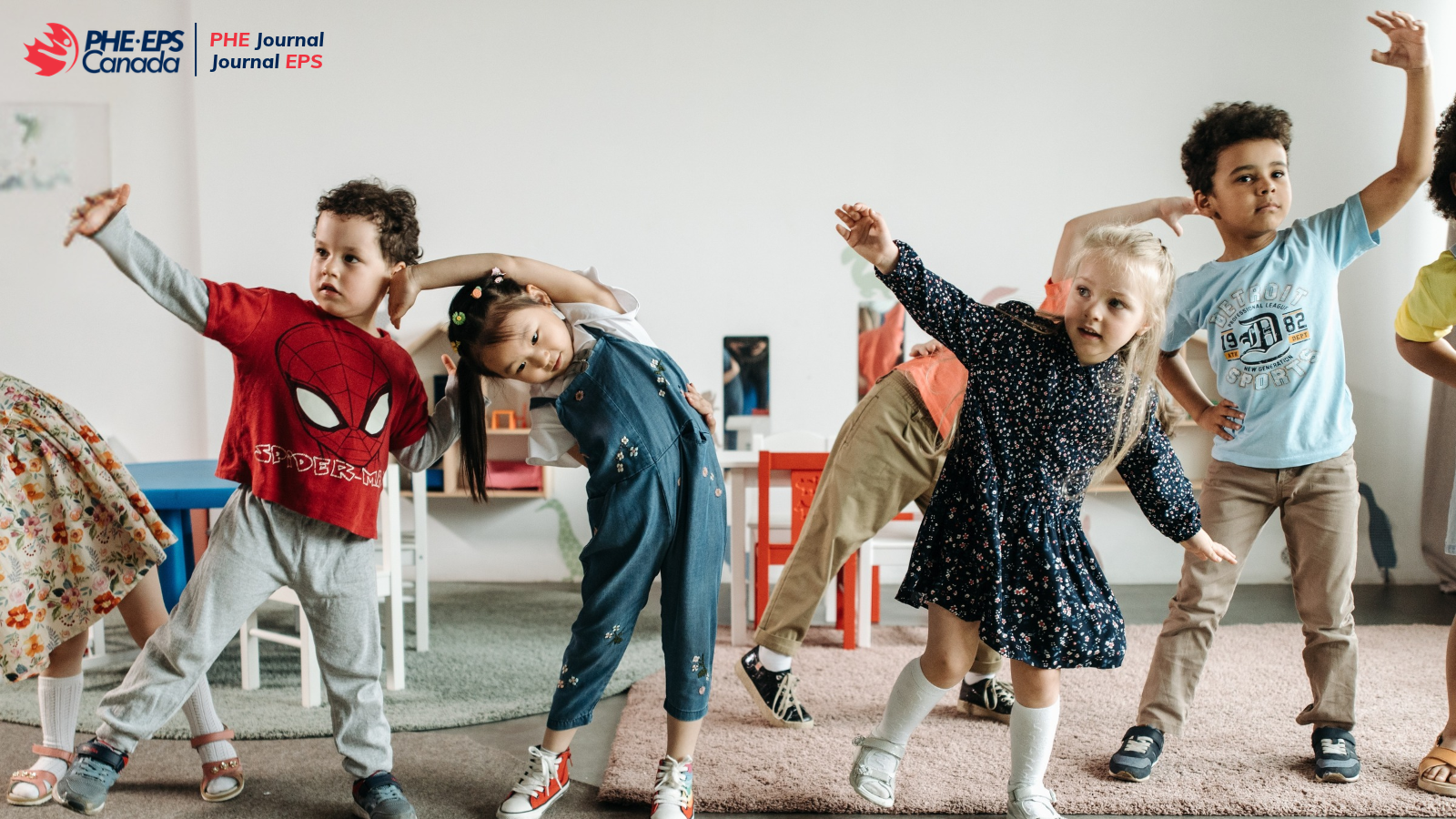
While life can feel unsteady for some, quality 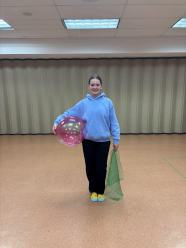 structured dance programming can provide a safer, consistent, healthy, and creative outlet for youth. This is the ethos of Step Forward Dance Project (SFDP), a Halifax-based organization providing accessible dance opportunities for children and adolescents. Students receive a free foundational dance education and are welcomed into a safe, friendly environment. Halifax high school student Elena Mason established SFDP in 2025 to break down barriers that prevent youth from participating in dance. All SFDP classes encourage participation and dismantle preconceived negative stereotypes by fostering a safe, non-competitive, and highly engaging environment.
This article explores how SFDP was developed to address real barriers to dance participation, the research supporting dance as a vehicle for physical health, emotional well-being, and social connection, and what educators can take away to bring inclusive dance experiences into their own communities.
Community Need for Increased Physical Activity Opportunities
Physical activity is a key indicator of population physical and mental health (ParticipACTION, 2026). In Canada, current guidelines recommend that children and youth should engage in more than 60 minutes of moderate-to-vigorous physical activity per day. However, in the period of 2022 to 2024, only 52% of children (5-11) and 21% of youth (12-17) met the recommended physical activity levels (ParticipACTION, 2024). Furthermore, physical activity levels among adolescent females have drastically declined compared to pre-pandemic levels (Government of Canada, 2022). Dance classes are an ideal remedy for this problem.
Why Should Young People Participate in Dance?
“Across millennia, our ancestors have expressed themselves, and watched others express themselves, through dance. The ubiquity and evolution of dance throughout human history transcend age, ability, culture, and social status” (Cross, 2025).
Dance is linked to improved cardiovascular health, balance, coordination, strength, endurance, and overall cognitive performance in children and adolescents to varying degrees, making it a desirable fitness option for improving health outcomes (Tao et al., 2022). Dance combines sport and art, which broadens minds and opens doors, and often requires few implementation resources in terms of infrastructure and equipment.
Along with the physiological benefits, dance builds confidence, prompts creativity, and promotes self-expression (Mansfield et al., 2018). Dancing in group settings allows for children to socialize, develop a strong sense of identity, establish a growth mindset, and take risks in a supportive environment, creating an invaluable safe and reliable place to develop friendships and manage stress. Furthermore, dance transcends language and cultural barriers, which can naturally foster an inclusive and welcoming community, particularly in diverse classroom settings of all abilities, identities, and backgrounds (Tao et al., 2022).
Barriers to Dance Participation
The barriers to participation in dance activities are well documented (Gapasin et al., 2025; Bastos et al., 2023) and include:
- Perceived Cost: The cost of dance classes, shoes, and costumes can deter potential students and parents from considering dance as an extracurricular activity.
- Lack of Inclusive Programming: Shortages of qualified dance instructors in rural Canadian communities result in restricted and limited access to dance opportunities across the country. With qualified, dedicated instructors, students can develop core dance skills while enjoying music and fitness-related activities.
- Negative Stereotypes: Gender stereotypes for all children-related physical activities remain a hurdle in today’s society (Rathee et al., 2023). Dance is particularly vulnerable to perceptions and negative stereotypes around gender, socioeconomic groupings, and social behaviour, which could deter many young people from wanting to participate.
- Lack of Information and Poor Accessibility: Dance is frequently marginalized within physical education curricula and schools (Tao et al., 2022) and receives less visibility than many traditional sports. Logistical hurdles, such as lack of professional development opportunities for educators and transportation and proximity to programs, often disproportionately impact low-income children and youth and school communities.
- Sensitivities: A student’s self-esteem, such as fear of judgement or perceived motor skill competence and coordination, may be significant barriers to joining dance programs.
Identifying & Reaching the Right Audience
When establishing SFDP, it became evident there was a lack of quality and accessible dance programming available in marginalized communities in Halifax. Therefore, SFDP wanted to integrate dance into a community space that could allow participants to feel comfortable with trying something new. This sparked the idea to host SFDP in a community library, especially to make participating in dance education programming more accessible and convenient for students in under-resourced neighbourhoods. We felt this approach could help minimize barriers to trying a dance class (those mentioned above), such as travel costs and anxiety associated with going somewhere unfamiliar.
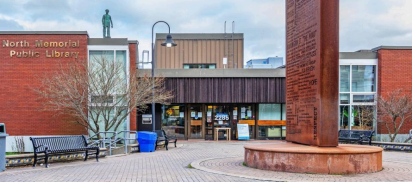
SFDP runs out of the Halifax North Memorial Public Library and, more recently, the Needham Community Centre to provide free to low-cost dance instruction to those who would not otherwise have it. Like many Canadian libraries, this location serves a diverse community, including many newcomers, and due to the welcoming and inclusive nature of SFDP, children and youth can relax and be immersed in an enjoyable dance experience.
What does a Step Forward class look like?
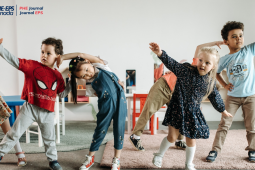
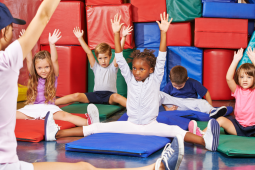
SFDP classes are led by experienced dancers who deliver a prepared, but flexible, dance curriculum. In class, students learn about anatomy, musicality, and physical expression. Using games or dance obstacle courses, SFDP encourages innovative thinking and imaginative movement while enhancing balance, coordination, and strength. Props, such as scarves and skipping ropes, are incorporated to keep participants engaged in the program.
In September 2026, SFDP launched the FEEL (Freedom, Expression, Exercise, and Learning) program, which aims to help children express their emotions and communicate through dance. Each class emphasizes the physical expression of two opposing emotions, including:
- Happiness/Sadness;
- Anger/Peace;
- Excitement/Stillness;
- Jealousy/Gratitude;
- Fear/Courage;
- Loneiless/Connection;
- Frustration/Ease; and,
- Shyness/Confidence.
By turning movement into a voice, FEEL helps children aged 4-10 build a lifelong foundation of inner confidence, clarity, and emotional well-being.
Outcomes of SFDP Participation & Implementation
“Dance, and in particular creative dance, enriches the performance, composition, and appreciation of human movement, with a particular focus on producing aesthetic value. Dance performed in groups provides a social type of physical activity. Dance is also beneficial for increasing self-trust, self-esteem, and self-expression in children and adolescents” (Tao et al., 2022).
Through SFDP parent and student feedback surveys, results showed exceptionally positive experiences after each block of dance lessons. Students indicated an increased ability to release energy, socialize, and learn new skills, and loved creating movement patterns and interacting with each other. Furthermore, staff and educators have shared an appreciation for how dance “sparks individuality and fosters growth and a love of movement” for their students, especially those who were not interested in dance before.
Tangible Takeaways for Educators
The joy and imagination facilitated by Step Forward Dance Project classes can easily be translated into educational settings across Canada. Research shows a lack of dance-related professional development opportunities and pre-service teacher education “results in physical educators not teaching dance, students missing out on dance experiences, and future educators entering the field without dance skills” (Éva Láng, 2025). If you are looking to implement dance into your school curriculum, here are some key takeaways to consider:
- Mitigate Vulnerability: Students need to feel supported and encouraged to participate in a comfortable, convenient space. Dancing can make people vulnerable. We suggest ensuring the educators actively participate alongside students to normalize movement and lower psychological barriers. Educators can also subdivide classes into smaller groups to increase participation, creative expression, and engagement with their peers.
- Balance Structure with Student Autonomy: Preparing specific and rigid movement routines to practice repeatedly can reduce the student’s enjoyment and creative freedom. We suggest alternating between improvisation and structured movement patterns, whether it be individually or as a group, to ensure students build confidence and competence.
- Adaptive Facilitation: Dance is about expressing yourself. Responding to student energy and emotions can enhance engagement. If the energy in the class is high, students may enjoy fast-paced movement and use of large spaces. If students are feeling tired or anxious, grounding the students on the floor to practice breathwork and body awareness could be more beneficial.
Get in Touch!
Dance is extremely effective in building community, promoting self-expression, and engaging youth in meaningful physical activity. We are enjoying developing our FEEL curriculum and using dance as a valuable form of exercise and communication. If you have questions about how to implement dance in your school community, please reach out to us at [email protected] or find us on Instagram and Twitter @stepforwardhfx.
References
Bastos, B. de P., Chiviacowsky, S., Drews, R., & Cardozo, P. (2023). Gender Stereotype Threat Undermines Dance Performance and Learning in Boys. Journal of Motor Behavior, 1–6. https://doi.org/10.1080/00222895.2023.2166454
Cross, E. S. (2025). The neuroscience of dance takes center stage. Neuron, 113(6), 808–813. https://doi.org/10.1016/j.neuron.2025.01.016
Éva Láng. (2025, January 21). The content and methodology of dance education in the context of daily physical education. Research Gate. https://doi.org/10.13140/RG.2.2.10530.13760
Gapasin, D., Jimenez, R., Tagaza, J., Disu, J., Manalastas, R., Bañaga, C., Mateo, A., Dinson, M., & Cruz, D. (2025). VOICES OF LEARNERS: EXPLORING THE ENJOYMENT AND BARRIERS TO DANCE IN PHYSICAL EDUCATION. Asian
Journal of Social Science and Management Technology Asian Journal of Social Science and Management Technology, 7(4), 2313–7410. https://www.ajssmt.com/Papers/74385396.pdf
Government of Canada. (2022). The Daily — Directly measured physical activity and sedentary time in Canada: New results from the Canadian Health Measures Survey, 2022 to 2024. https://www150.statcan.gc.ca/n1/daily-quotidien/251017/dq251017b-eng.htm
Mansfield, L., Kay, T., Meads, C., Grigsby-Duffy, L., Lane, J., John, A., Daykin, N., Dolan, P., Testoni, S., Julier, G., Payne, A., Tomlinson, A., & Victor, C. (2018). Sport and dance interventions for healthy young people (15–24 years) to promote subjective well-being: a systematic review. BMJ Open, 8(7), e020959. https://doi.org/10.1136/bmjopen-2017-020959
ParticipACTION. (2024). 2024 ParticipACTION Report Card on Physical Activity for Children and Youth: Rallying for Resilience. www.participaction.com/wp-content/uploads/2024/05/2024-Children-and-Youth-Report-Card-Highlight-Report-1.pdf?x82550
ParticipACTION. (2026). Spotlight on physical activity for children and youth: 2026 Progress Report. https://www.participaction.com/wp-content/uploads/2026/06/Spotlight-on-physical-activity-for-children-and-youth-2026-progress-report-EN-LR.pdf
Rathee, S., Rathee, A., & Yadav, S. K. (2023). Gender Disparities in Sports Participation: Exploring Barriers and Opportunities for Equality in Physical Education. Educational Administration: Theory and Practice, 29(4). https://doi.org/10.53555/kuey.v29i4.10159
Tandon, P. S., Kroshus, E., Olsen, K., Garrett, K., Qu, P., & McCleery, J. (2021). Socioeconomic Inequities in Youth Participation in Physical Activity and Sports. International Journal of Environmental Research and Public Health, 18(13), 6946. https://doi.org/10.3390/ijerph18136946
Tao, D., Gao, Y., Cole, A., Baker, J. S., Gu, Y., Supriya, R., Tong, T. K., Hu, Q., & Awan-Scully, R. (2022). The physiological and psychological benefits of dance and its effects on children and adolescents: A systematic review. Frontiers in Physiology, 13. https://doi.org/10.3389/fphys.2022.925958
Authors