#Share2Care - Supporting Mental Health and Well-Being in a Year it was Needed Most
#Share2Care - Supporting Mental Health and Well-Being in a Year it was Needed Most
Undoubtedly, this has been one of the most challenging years for schools, administrators, teachers and students. With the COVID-19 pandemic raging far beyond a comfortable timeframe here in Canada, schools were forced to pause, start, pause, and restart time and time again. From coast to coast to coast, no Province or Territory was exempt from the life altering effects of the global pandemic.
Amongst all of this chaos, anxiety, stress, and unpredictability, schools looked for hope, encouragement, a lifeboat, and, at times, a shoulder within the community on which they could lean. The Share2Care Campaign was one of those lifeboats, in particular for 7 recipient school communities.
199 schools shared their efforts to support and promote mental health and emotional well-being among their students and staff, all demonstrating a tremendous need for support to further ignite their initiatives or to bring their ideas to life. Thanks to #Share2Care and the support from program partner, The Co-operators, we were able to provide $2,000 to 7 of the very deserving school communities - which was one of the biggest highlights of the year for not only PHE Canada, but for each recipient school as well. The funding and support gave them that spark, energy, encouragement, and capacity to support the well-being of students and staff, at a time it was needed most!
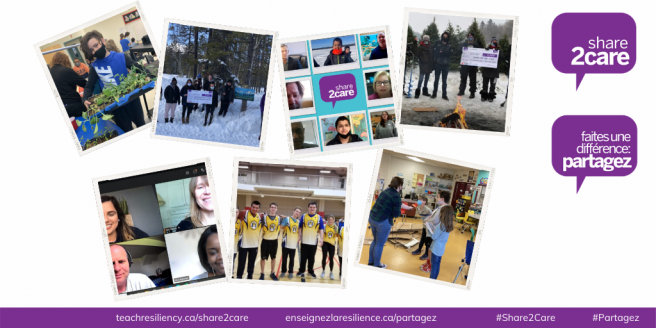
As we’ve seen over the past few months, schools have tried, tested, created, planted, and innovated elements of their school community to increase mental health, well-being, and sense of belonging with their students. Below are some of the incredible success stories we’ve seen from the schools who were recipients of this years’ campaign:
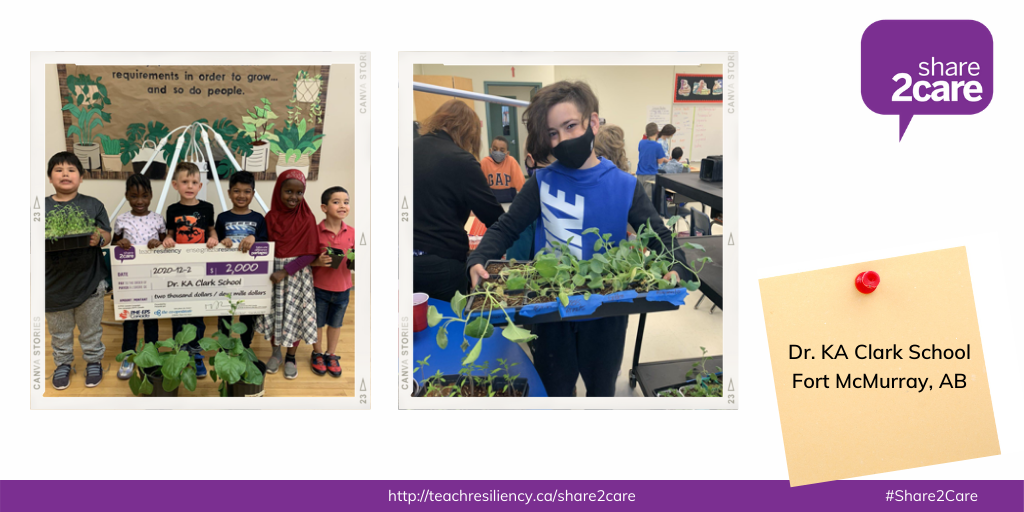
Dr. KA Clark School
Fort McMurray, AB
In Fort McMurray, AB, a community that has seen both flooding, a recession, and a forest fire all within a decade, Dr. KA Clark School was able to use their funding to plant seeds of hope for a better, brighter future. Alongside local Elders, these “little dinos” planted herbs alongside their teachers and community leaders and were able to invest in the materials needed to nurture their healing gardens during the harsh cold winter months in Fort McMurray.
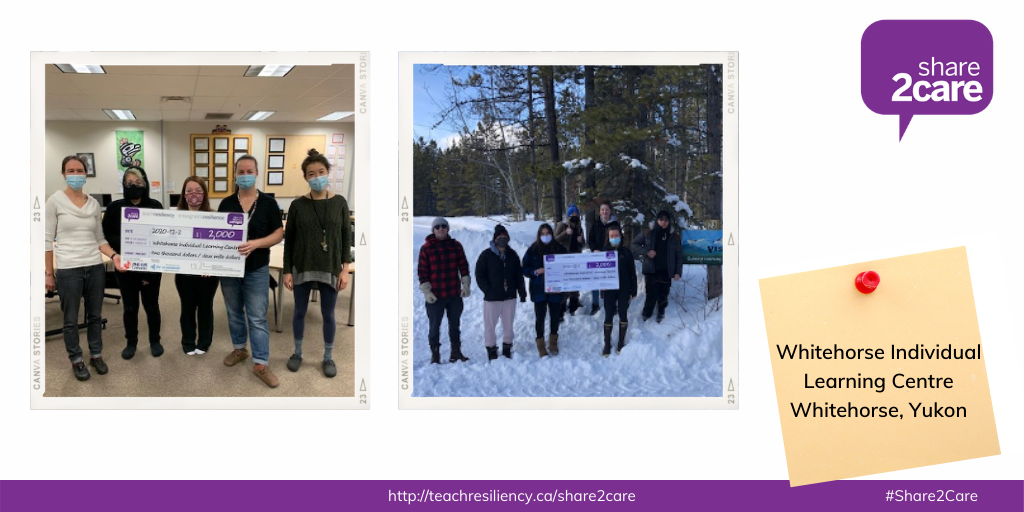
Whitehorse Individual Learning Centre
Whitehorse, Yukon
In Yukon, Whitehorse Individual Learning Centre’s Share2Care funding supported three, full-day restorative wellness retreats for the students to help support their well-being. These retreats were voluntary, and provided students with an opportunity to practice research-based skills & strategies to help mitigate symptoms of anxiety and depression, while improving overall well-being through activities such as journaling, guided meditation, breathing techniques, restorative yoga, healthy eating, and gratitude practices. Students even wrote to us about how incredible their retreat experiences were. One student said,
“The retreat was very stimulating and nice to know all the things that we don’t do for ourselves, but we should do because it is good for our minds and bodies. Most people forget to take care of themselves and take care of others when we should all be focusing on ourselves a lot more. This trip was really beneficial for me because once we got back, I was able to focus on my work more calmly.” - Kaylee, Grade 12 student from the Individual Learning Center
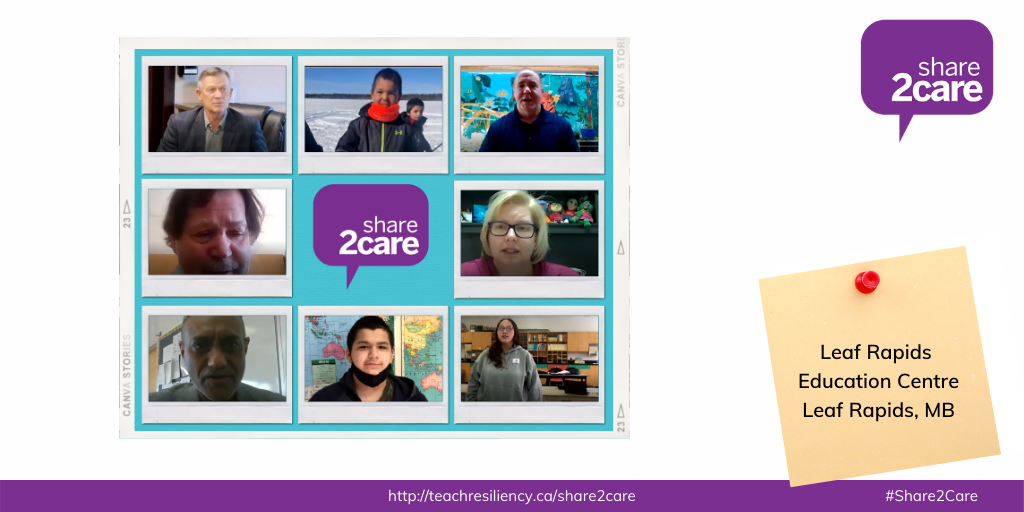
Leaf Rapids Education Centre
Leaf Rapids, MB
Leaf Rapids Education Centre (LREC) was a real benefactor from our 2020 Share2Care campaign. After speaking on the phone at length with the school champion and with the Administration Team, it was clear to us that this school found hope and optimism through this campaign. Leaf Rapids is located in Northern Manitoba and was formerly known as a mining community. However, with their economy dwindling over the past few decades, fewer and fewer Manitobans are able to call Leaf Rapids home. The school itself is located in an old mall that once represented the heart of the community.
With the Share2Care funding this school received, they were able to create a more welcoming space for students to spend their time, which included fitness equipment, relaxing spaces to find quiet, and a properly ventilated system to ensure that smudging, a traditional cultural ceremony, could occur.
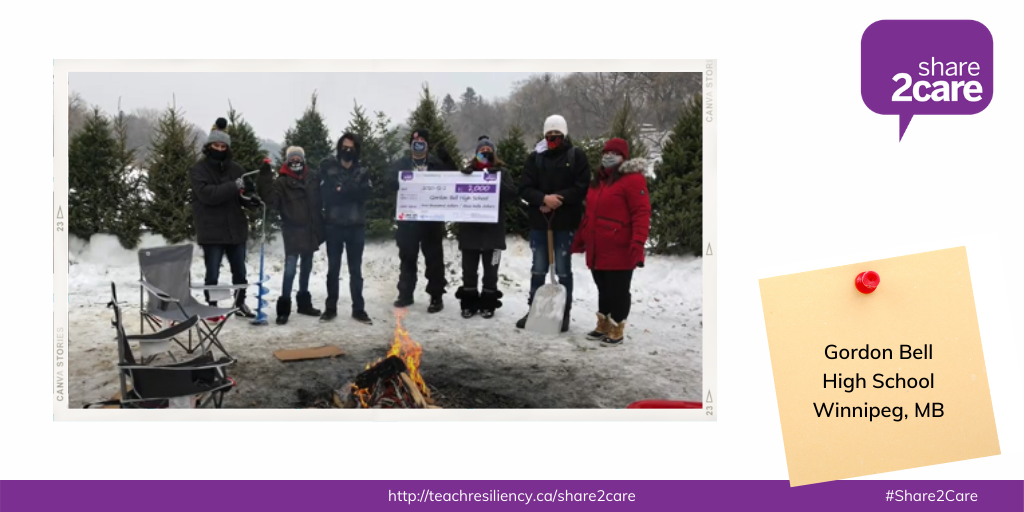
Gordon Bell High School
Winnipeg, MB
Further south in Manitoba, at Gordon Bell High School in Winnipeg, there was a tremendous need to be more equipped to facilitate outdoor winter activities for their students on the Red River. They wanted to do more ice fishing trips, better connect students with their culture and the land, and provide items such as snow shoes so that every student could participate in the winter trips over the frozen tundra.
Wellington Catholic District School Board
Guelph, ON
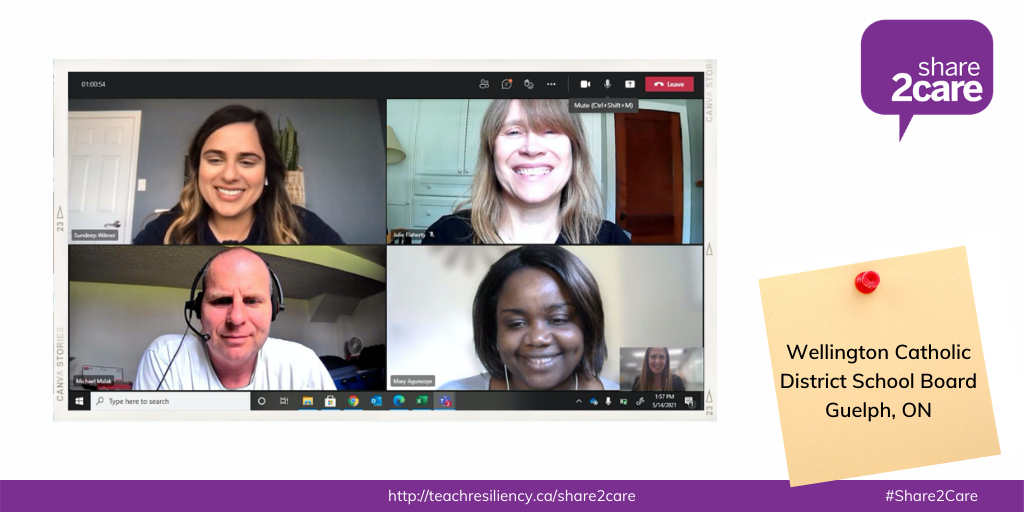
In Guelph, Ontario, Wellington Catholic District School Board (WCDSB) felt a tremendous need to develop mental health resources in multiple languages to better support the diversity of their students. WCDSB will be translating documents and worksheets so that the content from their umbrella project is accessible to all newcomer, multilingual students. They are also planning to offer workshops on how to support mentally healthy conversations about anti-black racism for our schools with the highest population of newcomer/multilingual students.
Miramichi Valley High School
Miramichi, NB
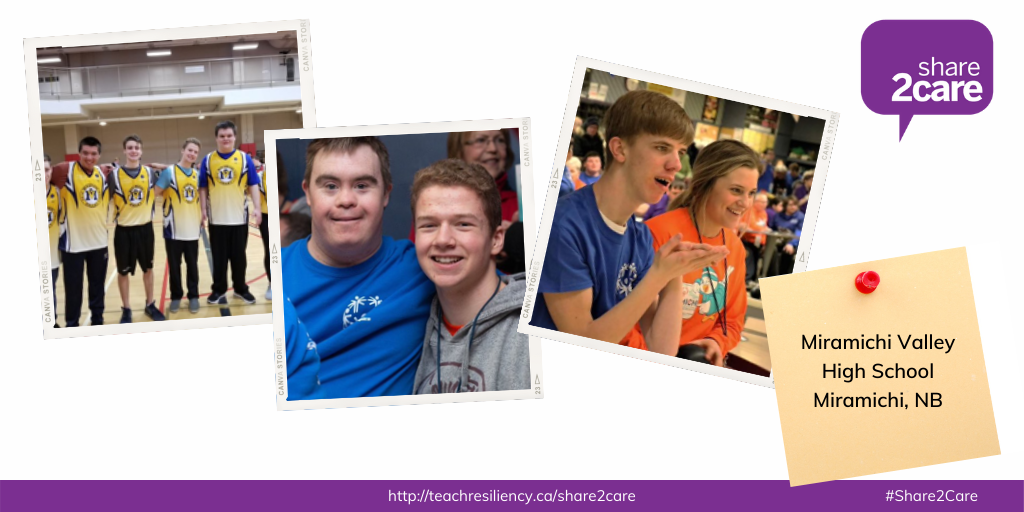
Miramichi Valley High School (MVHS) in Miramichi, New Brunswick was another recipient school that was in desperate need of financial support for their mental health programming. In connection with their existing Special Olympics Ambassador Program, the Share2Care support enabled the school to purchase snowshoes for their students, enabling them to get outside, connect with nature, and with each other in a safe manner.
Beachy Cove Elementary
Portugal Cove-St. Philip's, NL
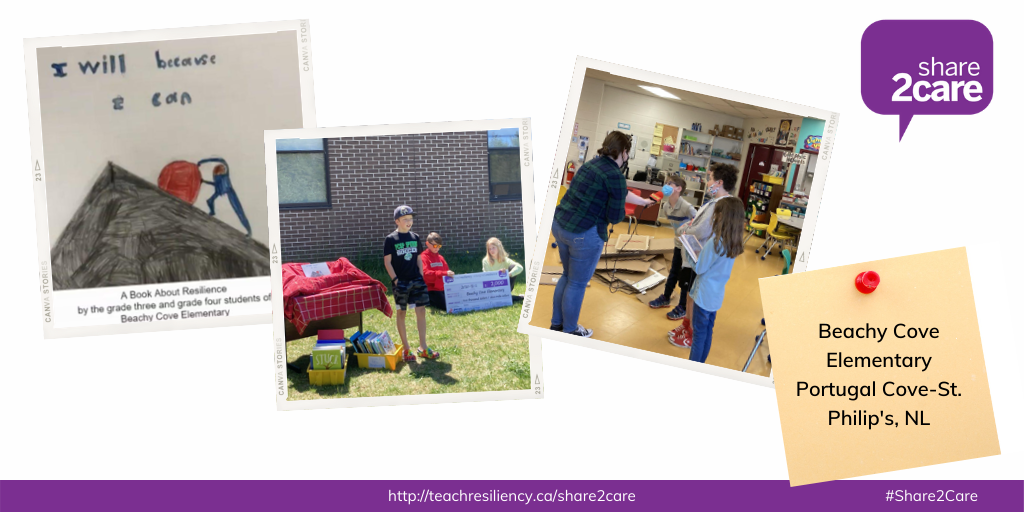
“I Will Because I Can” was a book that was published by the students at Beachy Cove Elementary in NL, who was our final recipient school for the 2020 campaign.
Watch: I will because I can trailer!!! - YouTube
Designed by students, for students, this book about resiliency is an example of a promising practice that can happen when we listen to what our kids need. With production support from their school staff, these students can now say they are published authors in mental health and resiliency and this wouldn’t have been possible without the Share2Care grant.
On June 9, 2021, the students at Beachy Cove launched their book, which featured radio interviews from local radio stations as well as visits from their school district administration team. They are also in talks with CBC NL to record some interviews for the local news.
To listen to the students read their story for you, click here.
None of these stories could have been made possible without the generous support of The Co-operators. Their dedication to support mental health and well-being within school communities is admirable and PHE Canada is very fortunate to have worked with their leadership team, as well as their local branch managers throughout the duration of this campaign.
Authors