Share2Care 2018 : Q&A with Knollwood Park Public School
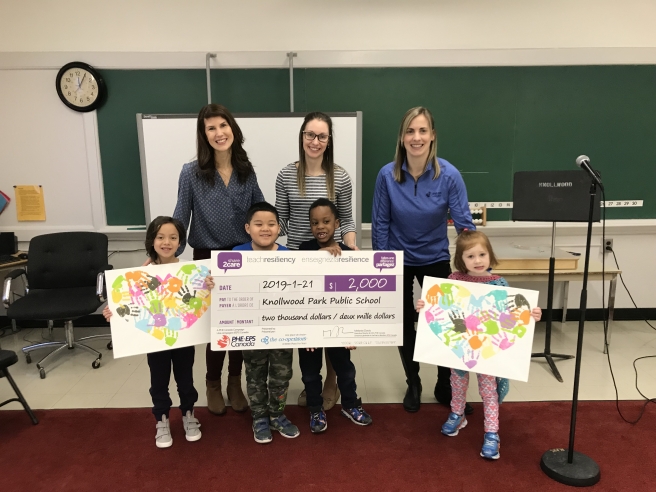
Share2Care 2018 : Q&A with Knollwood Park Public School
Share2Care is a mental health activation initiative gathering promising practices from across the country to share and inspire others to take action in their class and/or school community. As part of the PHE Canada Teach Resiliency program, Share2Care aims to recognize and share unique, innovative, and promising mental health practices that are making positive impacts on students, school staff, or both.
PHE Canada will share the success stories of the five school initiatives and others on the PHE Canada blog.
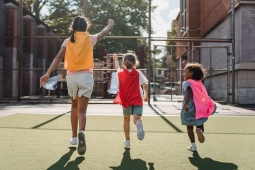
Promising Practice - Kindergarten Outdoor Play in Sun, Rain and Snow!
Knollwood Park Public School has a historical significance in East London, Ontario as one of the oldest running schools which opened in 1920 as a two-room ‘Red Cross Hut!’ The school now teach 260 students from Kindergarten to Grade 8.
PHE Canada: what inspired the mental health initiative?
We created this program to cope with a state of crisis during the 2014-2015 school year. We were struggling with students with undiagnosed autism and students who were experiencing trauma at home, expressing themselves in physically and verbally aggressive ways. We needed to address the physical and mental safety of all students and staff.
We reorganized the structure of our day to allow for a better relationship with parents, outdoor time in the morning and significantly more student-led play. With the support of our School Support Counsellor, we also began to teach emotional and mental health literacy explicitly.
PHE Canada: What activities were offered in this initiative?
The initiative aimed to transform our educational practices, moving from highly structured, teacher-directed indoor activities to student-led play in the outdoor environment. We created and implemented a plan to begin every day outside in nature. At the sound of the morning bell, educators gather with parents and students in a circle for the singing of O Canada. We are creating a welcoming, inclusive and healthy school where students and parents are seen, heard and valued as members of our community.

After O Canada, students are eager to play. A few favourite activities include working together to build leaf piles, baking mud muffins in the sandpit, biking on our mini outdoor track, reading on a picnic blanket, painting on plexiglass, making snowmen, and simply walking and talking with friends. Students get to play outside for at least an hour every morning. Sometimes we play outside in the afternoon too if the weather is nice.
During the outdoor time, educators are able to spend quality time with students who are facing mental health and socioeconomic challenges in their family. This is especially important in September as many young students experience separation anxiety from their parents. Our students with special needs or behavioural issues are much more successful by starting their day with freedom and fresh air, rather than our former program in which we began the day with tasks (hanging up coat and changing into indoor shoes). There are very few demands placed on students first thing in the morning so that students can move freely and settle-in before entering a more formal classroom setting. We are able to enter the class in small groups, which reduces the stress involved in performing those morning tasks.
Snapshot of our day:
- Community circle (parents, educators, students) than outdoor learning.
- Students enter the classroom in small groups to reduce stress and anxiety, support self-regulation and independence.
- Indoor centres: one focuses on mental health/emotional literacy.
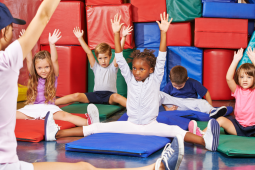
- Throughout the day, the activities that support mental health may include breathing exercises, storytelling yoga, and self-regulation strategies.
- We conclude every day with a community circle. Students are invited to take turns responding to the questions: how do you feel and why?
PHE Canada: What are the learnings from your initiatives?
We notice a dramatic difference in behaviour when children are able to play outside. They are happier, calmer and have a positive attitude. When we have to come inside early due to rain or cold weather, some students become very upset: they cry or refuse to enter the classroom.
We would like to first ensure that all students are wearing clothing appropriate for the weather, and then we hope to advance our program by collecting rainwater and jumping in puddles, engage in sensory play in slush and mud, and work together to build snow forts.
PHE Canada: What is the overall impact of your initiatives?
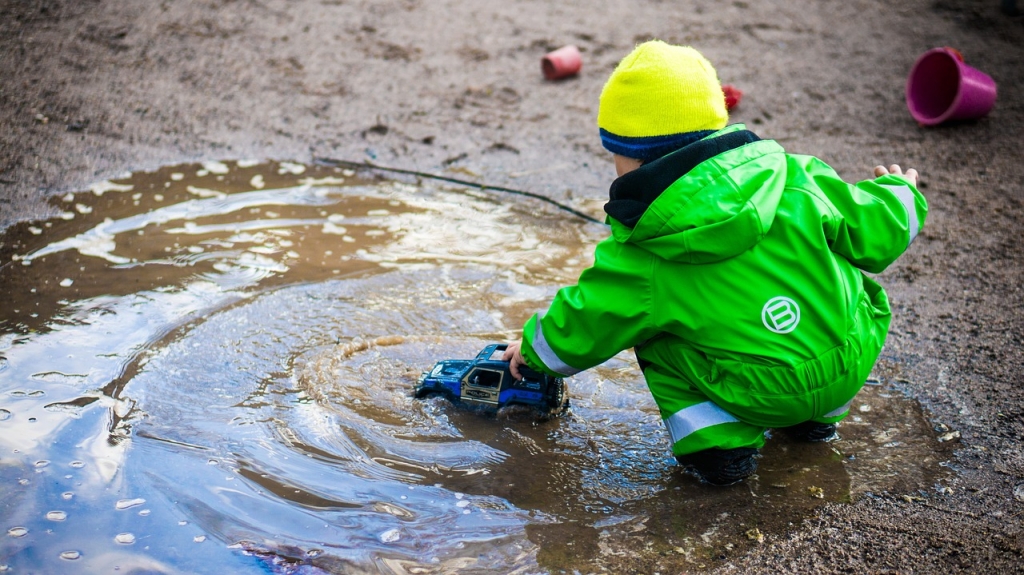
The value of outdoor play, moving their bodies and connecting to nature is enormous. Students and educators are calmer, happier, more alert and healthier.
Most students express that outdoor play is their favourite part of the day. Most notable improvements include:
- Students separate from their parents feeling safe and comfortable
- Parents are more comfortable talking to educators
- Significantly fewer ‘melt-downs’ throughout the day
- Significantly fewer suspensions due to aggressive behaviour
- Classroom evacuations due to aggressive behaviour are rare
- Students are establishing positive relationships with peers and educators
PHE Canada: How are your initiatives or promising practices sustainable?
We engage in a Professional Learning Community of Kindergarten educators who gather monthly, and we have invited teachers to view and discuss our program. We are planning to submit a proposal to conduct a professional development session for new Kindergarten teachers in which we can share our experience and help to guide their practice with mental health in mind. Our Early Childhood Educators are mentors for Fanshawe College students. By engaging in our outdoor program and teaching them about its value on mental health and well-being, we hope the ECE students will continue outdoor play in their teaching profession.
PHE Canada: How would you put your Share2Care funding to use?
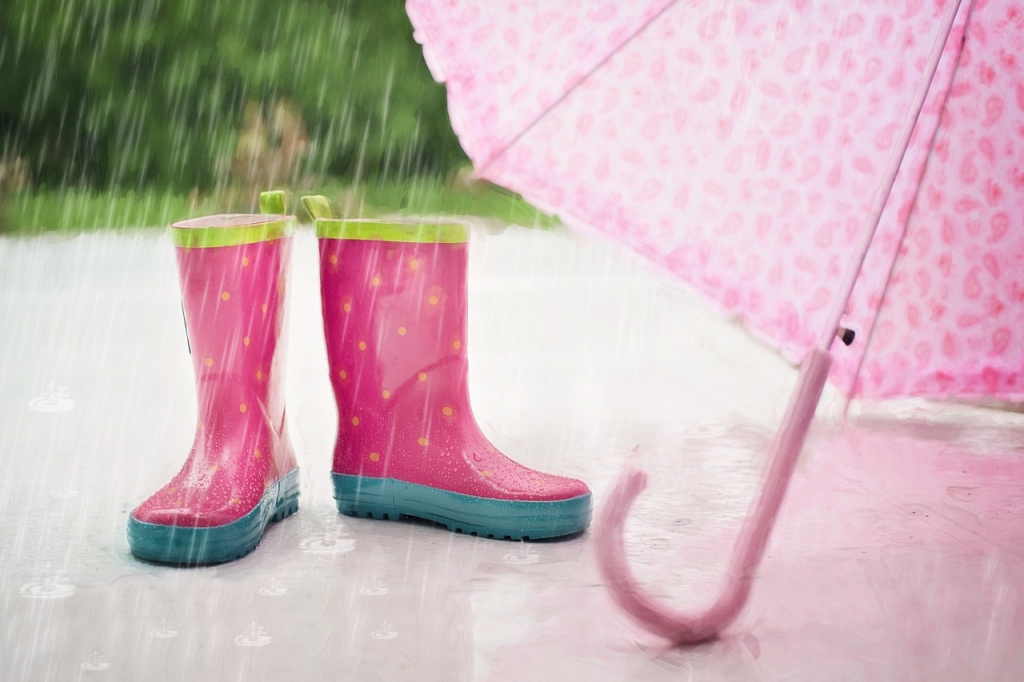
We want to purchase a collection of seasonal outdoor clothing to ensure that all students are dressed appropriately to enjoy the mental and physical benefits of active learning in nature. We would purchase winter snowsuits, rain pants, waterproof mittens and boots that will remain at school to be worn during outdoor play. A collection of clothing and boots will significantly help us to continue this program in an inclusive and equitable way. We could begin this collection immediately, and it could be utilized for years to come.
Authors