Pool Noodles: Inexpensive, Versatile, a Great Teaching Tool
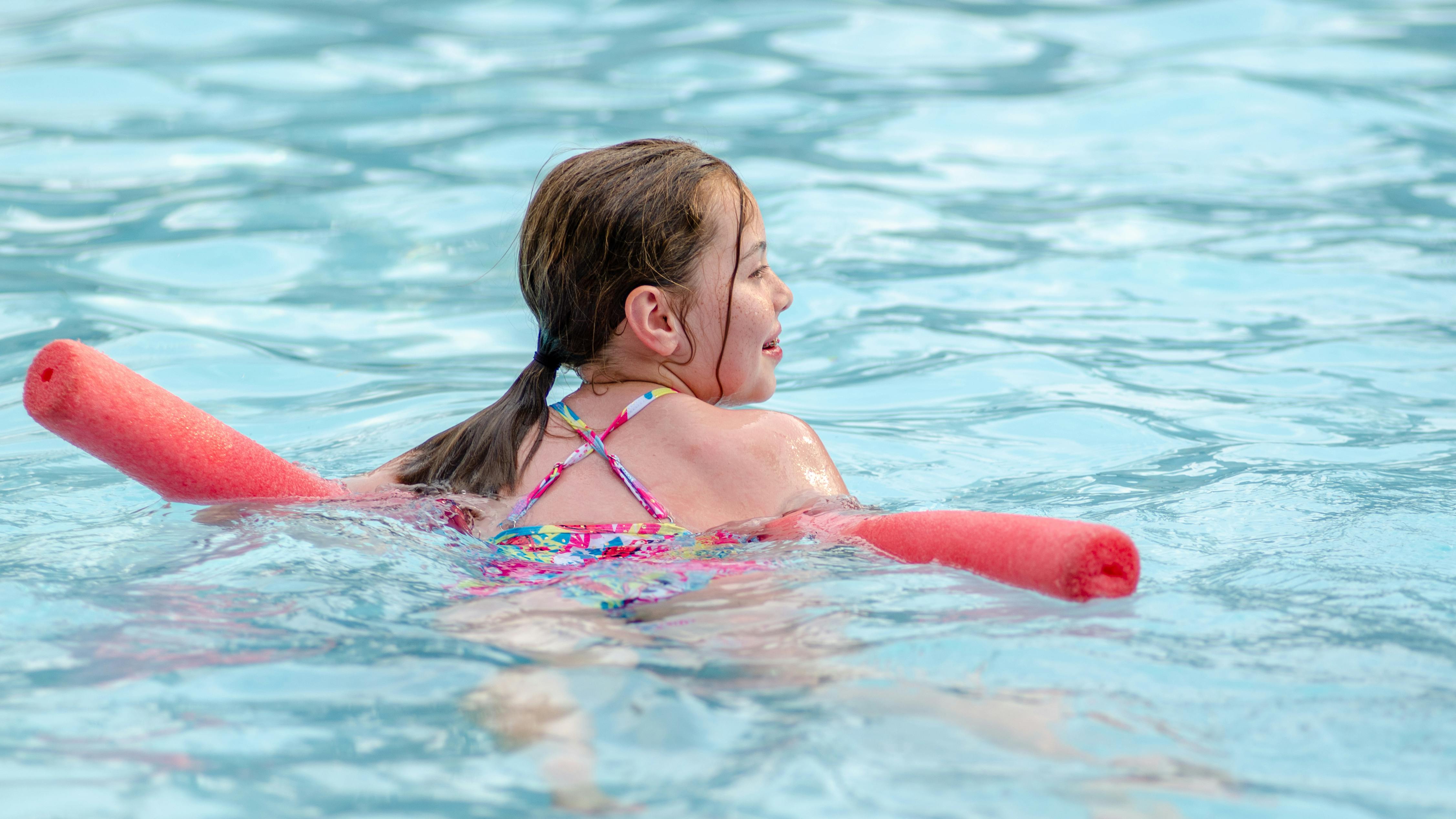
Pool noodles are some of the most versatile and affordable pieces of equipment you can use to enhance any physical education program. They are not only fun but also serve a variety of purposes, from improving physical literacy to fostering teamwork and creativity. Whether you are developing game skills or introducing new challenges, pool noodles are an excellent tool for engaging students of all ages.
Fun and Easy Challenges with Pool Noodles
One of the simplest yet most effective ways to use pool noodles is through tossing and catching games. Take Pool Noodle Toss, for example. In this game, two players stand about two to three paces apart. One player holds a pool noodle and tosses it to their partner, who attempts to catch it. If the catch is successful, both players take one step backward and repeat the toss. If they miss, they take one step forward and try again. The goal is to increase the distance between players while still successfully completing the toss.
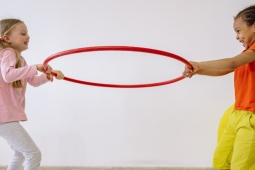
For an added challenge, give each player a pool noodle and have them toss both noodles at the same time. In this variation, each player tries to catch the other’s noodle. Another fun twist is to have one player hold a hula hoop while the other holds the pool noodle. The player with the noodle attempts to toss it through the hula hoop to their partner, who catches it. The variety of target challenges you can create with pool noodles is endless, including using them as a safe and playful javelin for distance throwing.
Safer Tag Games with Pool Noodles
Traditional tag games can sometimes be risky, especially when players are running at full speed and are tagged by a hand, potentially causing them to trip and fall. A simple solution is to have the IT (the player who is "it") tag runners only on the shoulder blade.
Alternatively, using pool noodles for tagging can make the game much safer and more fun. The noodles should be used for a gentle tap, not a whack, and players should tag each other's bodies, not the head. A great example of a pool noodle tag game is Knee Tag. In this game, all players hold a pool noodle, and on the leader’s signal, they attempt to tag others on the knee. Once tagged, players must leave the playing area. However, every ten seconds, the leader calls out “knees in,” and all players are back in action.
Another fun variation is Triangle Tag, where three players form a triangle by holding pool noodles, and a fourth player uses a pool noodle to try to tag the player on the opposite side by going around the triangle. This game requires both agility and strategy!
Introducing Net Games with Pool Noodles
Pool noodles are very effective for introducing net games. Instead of using traditional rackets or paddles, try using pool noodles to hit a balloon over a net. You can play this with a regular volleyball net or set up a simpler game where two players use their pool noodles to keep a balloon in the air, passing it back and forth. This is an excellent introduction to net games that combines coordination and teamwork.
Combatives using pool noodles is also possible. In Toe Tap, two players each hold a pool noodle and try to tap each other’s toes as quickly as possible. For a team variation, turn this into Toe Tap Baseball, where a player from one team runs clockwise while a player from the other team runs counter-clockwise. Where they meet, they compete at one round of Toe Tapping. The next player in line also has a pool noodle and runs to meet their opponent if their teammate loses. The player who loses runs back to their team and gives their noodle to the next waiting player. The winning player continues to run the bases until they meet up with the next opponent. When a player reaches home, they score one run for their team.
Teamwork and Leadership Development
Pool noodles are also fantastic for developing teamwork and leadership skills. One popular game that encourages cooperation is Pool Noodle Carry. Start with a pile of 100+ pool noodles at one end of the playing area. Teams of four to six players line up at a set distance from the pile. On the leader’s signal, the first player runs to the pile, picks up a noodle, and returns to their team. They pass the noodle to the next player, who repeats the process. The game continues until all the noodles are picked up. The team with the most noodles at the end wins.
Another exciting team-building game is Pool Noodle Roll. In this game, teams of four or five players lay one of their teammates on up to 25 pool noodles (depending on the participant’s height), with their feet pointing toward the other side of a basketball court. One team member holds the player’s feet, and the rest of the team pulls the player across the court, keeping them on the noodles. Ensure that the person laying on the pool noodles keeps their head off the ground and does not lay it on any pool noodles. It is a fun and creative challenge that encourages teamwork and coordination.
Reducing Discomfort with Pool Noodles
For some students, holding hands can feel uncomfortable, especially during partner games or activities like dance. A simple solution is to have students hold a pool noodle between them instead. This can reduce discomfort while still promoting cooperation and teamwork in games such as partner tag or team-based challenges like Knots.
Creative Ways to Use Pool Noodles
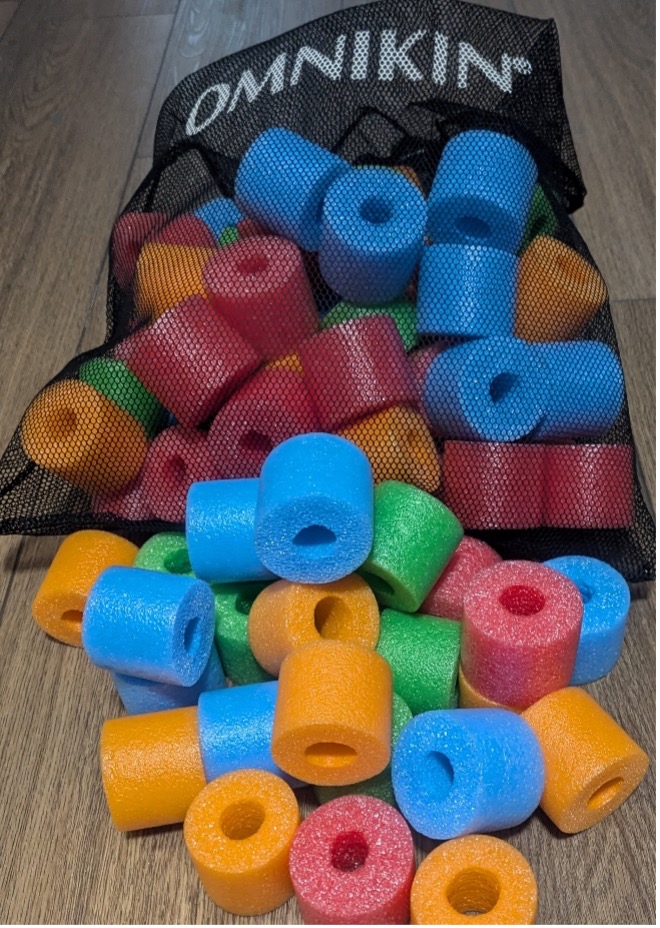
Pool noodles are not only great in their full form. Try cutting them into smaller pieces—about 3 to 5 centimetres long—and use them to define spots on the floor for various games or activities. These smaller pieces are also useful for building structures. For example, in Tower Building, teams of four transport small pool noodle pieces back and forth to build the tallest free-standing tower possible.
Conclusion
Pool noodles are incredibly versatile, offering countless opportunities to enhance physical literacy, foster teamwork, and make physical education more engaging and fun. From tossing and tagging to net games and team challenges, pool noodles can be used in so many creative ways to develop a wide range of skills. Pool noodles are available at most dollar stores, but if you are looking for more durable options, you can find high-quality pool noodles at Gopher Sport. For 100+ locomotor challenges involving pool noodles, check out Canada Go4Sport's Locomotor Index.
Authors