Increasing Active School Travel at Your School
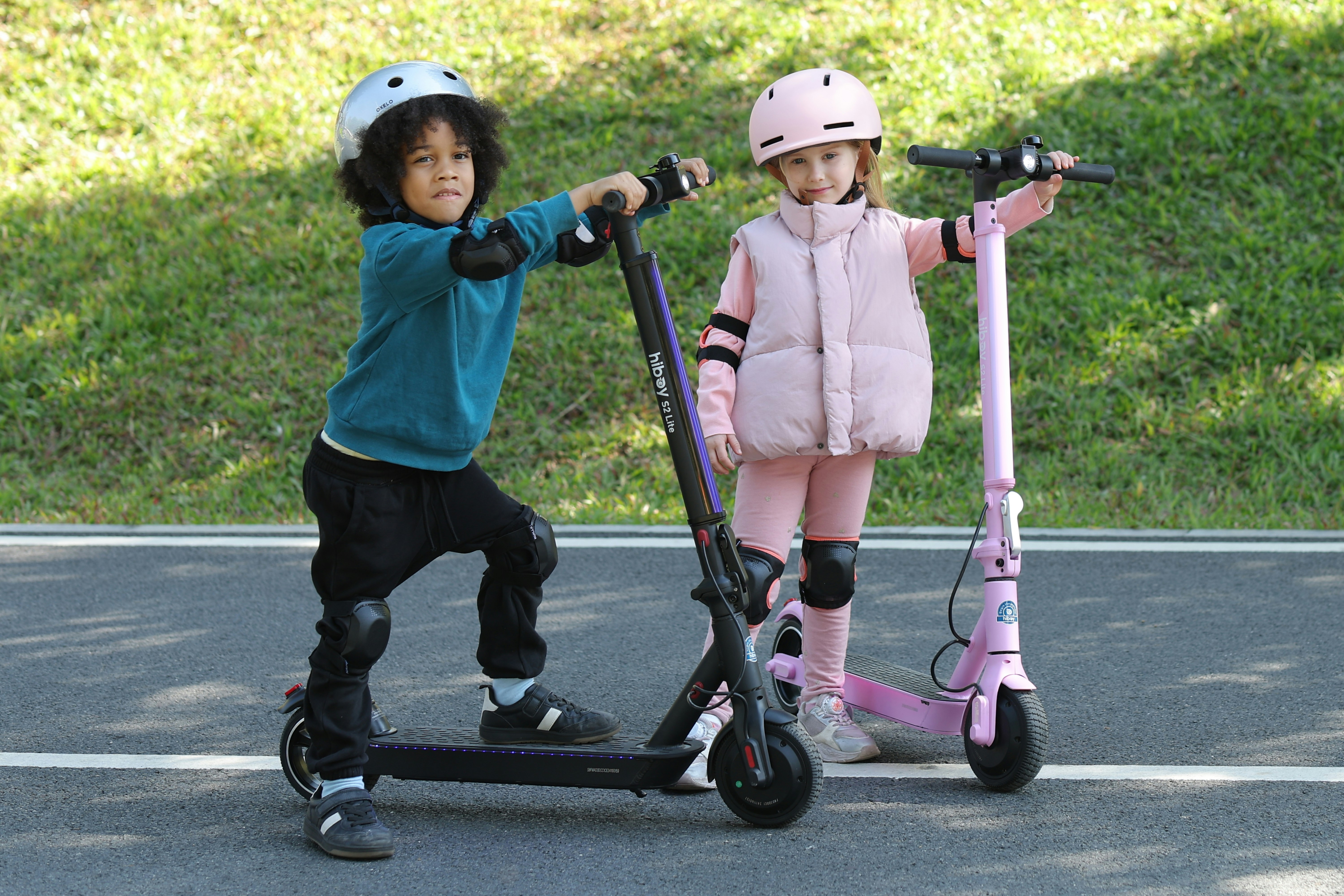
Is your school interested in increasing physical activity? Using an example from British Columbia, this article provides a step-by-step guide on how to implement an Active School Travel Initiative at your school.
Active school travel supports Comprehensive School Health by promoting physical activity, enhancing student well-being, creating supportive environments, and enhancing learning (Healthy Schools BC, 2013).
What is Active School Travel
Active School Travel (AST) initiatives encourage children and families to walk, bike, or use other active forms of transportation to get to school, which can help promote physical activity, reduce traffic congestion, and improve overall health (Northern Health, 2025).
The Benefits of Active School Travel
Health and Well-Being: It is recommended that children and youth aged 5-17 get 60 minutes of moderate to vigorous physical activity per day (The Canadian Society for Exercise Physiology, 2025). Not only does AST increase the physical activity levels of children and youth, but it can also play a significant role in enhancing the health and safety of the community and the environments they live in (Ontario Active School Travel, 2018).
Healthy Environment: AST supports a healthy climate by reducing greenhouse gas emissions caused by car travel and improving air quality (Ontario Active School Travel, 2018; The Canadian Society for Exercise Physiology, 2025). Decreased car use reduces traffic congestion around schools, reducing the risk of collisions, and other traffic-related injuries (The Canadian Society for Exercise Physiology, 2025; TransLink et al., 2024).
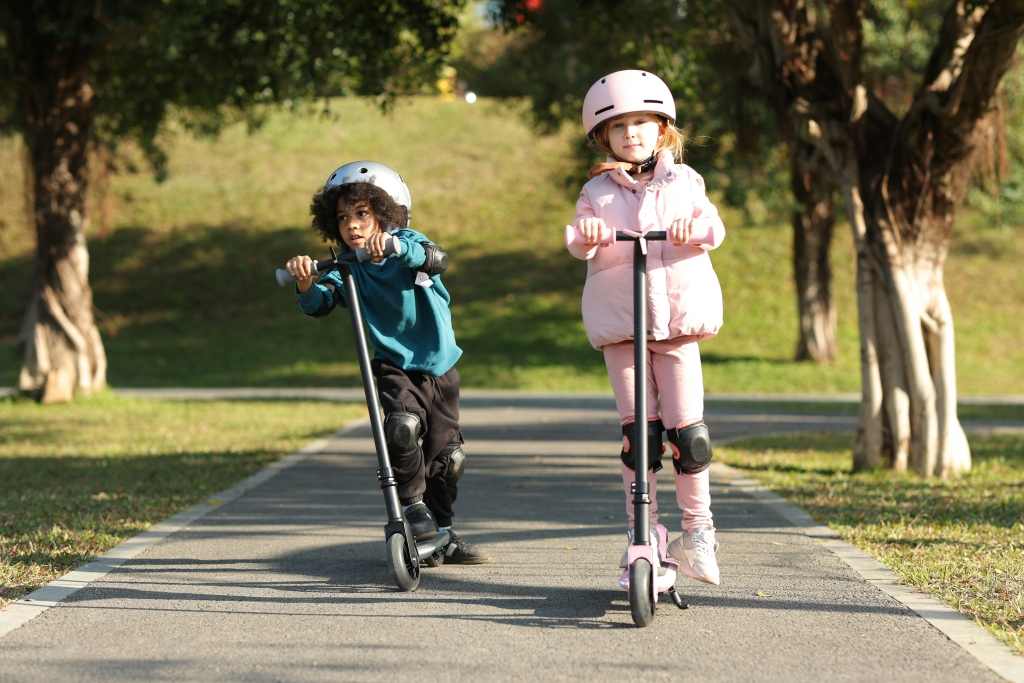
Starting an Active School Travel Initiative at Your School: A Step-by-Step Guide
Gibson Elementary in Delta, BC, has established a successful AST program through a comprehensive school health lens by following the Ontario Active School Travel Planning model (Ontario Active School Travel, 2023). Here are the steps that were taken at Gibson Elementary that you can use to establish an AST at your school:
- Form a Committee:
- Build Partnerships: Collaborating with the right people and organizations is crucial for the success of your AST program. Look for local partners who share your goals and can offer support. At Gibson Elementary, partnerships included:
- On-site champions such as a teacher(s) or administrator(s) who are passionate about the cause and can help with promotion.
- Population and Public Health staff such as healthy school nurses, healthy built environment staff, and community health specialists at Fraser Health.
- Local municipal officials such as police and bylaw officers.
- Community organizations like the Insurance Corporation of British Columbia (ICBC) for safety education.
- On-site champions such as a teacher(s) or administrator(s) who are passionate about the cause and can help with promotion.
- Develop Surveys and Collect Baseline Data:
- Assess Conditions—A Walkabout: Conduct a walkabout around the school neighbourhood to assess the safety and convenience of walking or biking to school. Take note of traffic conditions, sidewalks, bike lanes, crosswalks, lighting, and any potential hazards. This step helps identify physical improvements to transportation networks that may be needed to encourage safer active travel. For example, Gibson Elementary conducted a walkabout with the City of Delta to create an action plan.
- Create an Action Plan: Using the insights from the surveys and walkabout, create an Action Plan outlining the steps needed to improve conditions for active travel.
- At Gibson Elementary, this involved a Best Route to School Map: Collaborating with community partners, the school developed a map outlining the safest routes for students to travel to and from school.
- Develop a Drive to Five: An area 5-10 minutes away from school where families can safely park and walk the rest of the way, promoting physical activity and decreasing traffic congestion.
- Initiate a Walking School Bus (WSB): like a traditional school bus, a group of students walk to school together along a designated route with an adult leader.
- Consider the 7E’s Framework: Focus on Education, Encouragement, Engineering, Enforcement, Equity, Environment, and Evaluation (Capital Regional District, 2025). These seven elements guide the planning and implementation process. Examples of initiatives include:
- Education: Partner with organizations like ICBC to provide safety education on walking and cycling. This helps ensure that students know how to travel safely.
- Encouragement: Create fun and engaging initiatives such as a weekly draw where students earn stamps each time they actively travel to school. Incentives and rewards can help motivate participation.
- Engineering: Collaborate with the local municipality (e.g., the City of Delta) to make necessary improvements to infrastructure. This might include trimming back shrubs, improving crosswalk visibility, or adjusting traffic signals to make routes safer for pedestrians and cyclists.
- Enforcement: Partner with the local municipality (e.g., the City of Delta) to provide education on bylaw enforcement to improve safety and increase visibility of students along AST routes.
- Equity: Conduct an accessibility audit to ensure students and families of all abilities can participate in AST.
- Environment: Support the reduction of greenhouse gas emissions by promoting the uptake of AST.
- Evaluation: Conduct a hands-up survey (Green Communities Canada, 2022) with students and a take-home survey with families to evaluate trends, barriers, and successes with AST.
- Education: Partner with organizations like ICBC to provide safety education on walking and cycling. This helps ensure that students know how to travel safely.
- At Gibson Elementary, this involved a Best Route to School Map: Collaborating with community partners, the school developed a map outlining the safest routes for students to travel to and from school.
- Promote Active School Travel: To build momentum and enthusiasm, promote the AST initiative throughout the school community. At Gibson Elementary, this included an art project and weekly contest that focused on promoting pedestrian safety and active travel. Use school events, like a kickoff event at the beginning of each term, to maintain excitement and energy around the program.
- Engage Families: Family involvement is essential for the success of the program. Reach out to parents and caregivers by visiting classrooms with flyers, posters, and information through e-newsletters about the benefits of AST. Encourage families to participate in events and spread the word about the program. For example, at Gibson Elementary, flyers and posters were distributed to families to raise awareness.
- Seek Funding and Support: Apply for small grants or secure donations to help fund the initiative. This could include providing swag (e.g., stickers or t-shirts) or prizes to incentivize active travel. Funding can also support staffing, safety gear, bike racks, or other physical activity-related resources. Gibson Elementary received Vision Zero grant funding to support the Walking School Bus.
- Reassess Conditions: After implementing changes, conduct a follow-up survey with families to measure any changes in active travel patterns and highlight successes or areas that need further attention. At Gibson Elementary, their third survey showed a significant increase in the number of children actively traveling to school.
- Active School Travel Program Outcomes: Tracking AST outcomes can help identify and evaluate changes to student participation in AST, as well as identify and evaluate the impacts of AST initiatives on aspects of the physical environment. For instance, the results of the AST initiative at Gibson Elementary were impactful:
- A walking school bus (WSB) program with crossing guards was created and funded by the city.
- Advocacy efforts successfully secured municipal funds for infrastructural improvements.
- Drive to 5 program encouraged families to park a short distance from the school to reduce traffic congestion around the school.
- A Learn to Ride program was launched. This program taught Kindergarten students how to ride bicycles safely.
- A walking school bus (WSB) program with crossing guards was created and funded by the city.
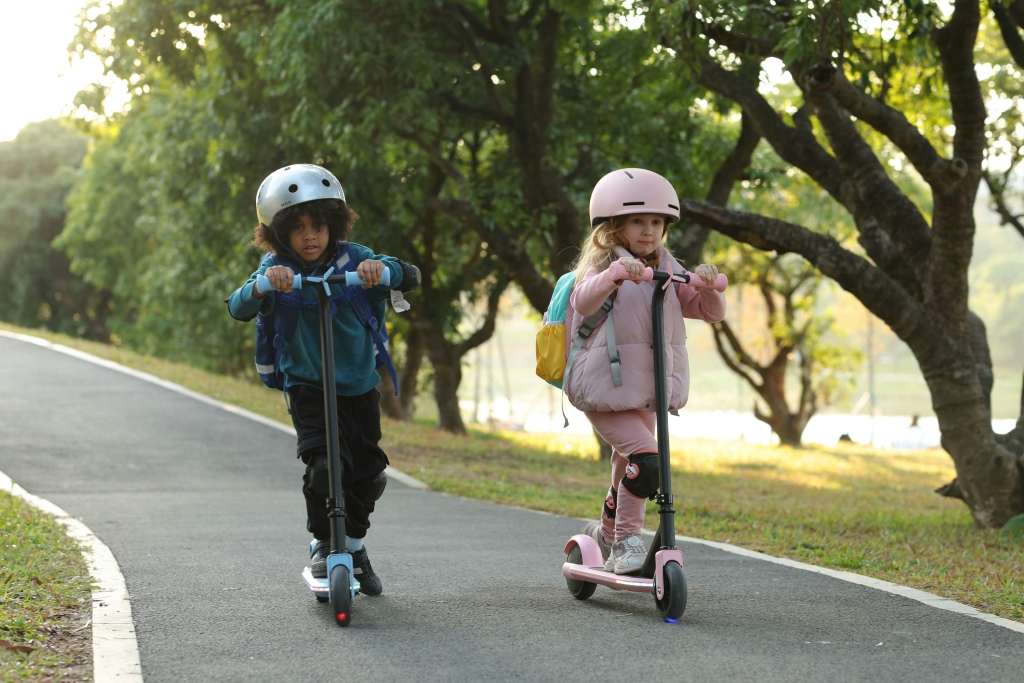
Addressing Common Challenges in Active School Travel
As with any new approach, planning and implementing AST initiatives may encounter challenges. Below are some of the challenges, along with how Gibson Elementary addressed them.
Caregivers’ safety concerns: Caregivers may worry about potential risks of actively travelling to school independently and may also lack the time to accompany their children. To help address this, a “Drive to 5” initiative and WSB programs were implemented where children can walk and roll with adult supervision.
Creating sustainable AST leadership: The WSB began with the support of volunteer parents and secondary school students. Results from caregiver surveys indicated that a dedicated staff member was integral to sustainability, program trust, and consistent attendance. Temporary funding was secured to pay a WSB leader. However, it became clear that a permanent funding source was needed. Fortunately, the city and school district allocated funds for a crossing guard to lead the WSB. This ensured consistent adult supervision, helping to build trust and reassurance among parents that their children were in safe hands.
Addressing safety in the built environment: Another challenge was ensuring the physical safety of the WSB route. From the initial walkabouts, several safety concerns were brought to the attention of the city’s engineering department, which responded with several meaningful and impactful improvements. In one case, shrubs were removed at a busy corner to improve visibility for both pedestrians and drivers and reduce the risk of collisions. Additionally, the intersection was upgraded with Leading Pedestrian Intervals (LPIs), an important traffic safety measure that allows pedestrians to enter the crosswalk before vehicles receive a green light, making them more visible and helping to prevent turning-related accidents.

The image shows how the City of Delta installed an LPI to allow more time for walking school buses to cross.
Teaching skills for AST: Alongside the WSB, the school also launched a “Learn to Ride” program. With funding support from Delta School District, 72 Strider bikes were purchased, and in collaboration with HUB Cycling and ICBC, students were taught essential riding skills and cycling safety. The program’s success led to program expansion, rotating through elementary schools in the district each year.
Conclusion
Starting an AST initiative at your school requires careful planning, partnership building, and a commitment to making changes that promote the safety and health of students. By considering the steps outlined above and drawing inspiration from Gibson Elementary, your school can create a sustainable and effective AST program that encourages students and families to actively and safely travel to and from school.
References
Capital Regional District. (2025). 7 E's approach to sustainable school commute planning. Retrieved August 21, 2025, from https://www.crd.ca/programs-services/getting-around/school-commute-planning
Green Communities Canada. (2022). School travel planning. Retrieved July 23, 2025, from https://schooltravel.ca/
Healthy Schools BC. (2013). Comprehensive school health knowledge guide. Retrieved August 21, 2025, from csh_knowledge_guide_-_electronic_copy_final_2013.pdf
Northern Health. (2025). Active school travel. Retrieved August 21, 2025, from https://www.northernhealth.ca/health-information/physical-activity/active-school-travel
Ontario Active School Travel. (2018). Making the case for active school travel: Fact sheet and reference list. Retrieved August 21, 2025, from https://bchealthycommunities.ca/wp-content/uploads/2024/02/Making-the-Case-for-Active-School-Travel-Fact-Sheet-and-Reference-List.pdf
Ontario Active School Travel. (2023). School travel planning. Retrieved May 6, 2025, from https://ontarioactiveschooltravel.ca/school-travel-planning/
The Canadian Society for Exercise Physiology. (2025). Children & youth 5–17 years – 24-hour movement guidelines. Retrieved May 6, 2025, from https://csepguidelines.ca/guidelines/children-youth/
TransLink, Fraser Health, Vancouver Coastal Health, & The Province of British Columbia. (2024). Walk, ride, roll! How travelling actively boosts children’s health and community wellbeing. Retrieved May 6, 2025, from https://www.translink.ca/-/media/translink/documents/rider-guide/travelsmart/travelsmart_active_travel_infographic.pdf
Authors